Record harvest, new capacity and why luxury travelers should care
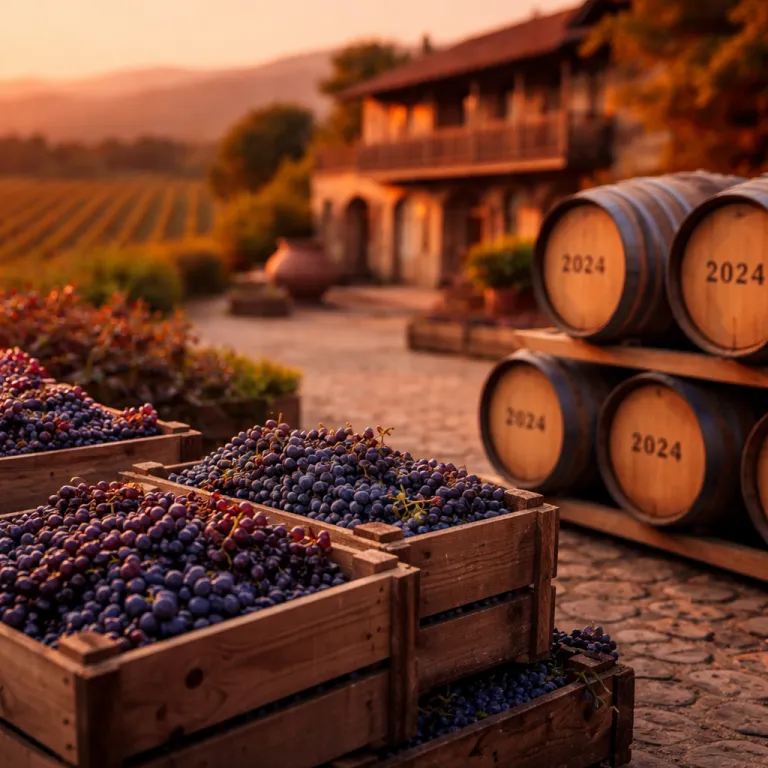
Georgia has just delivered a record grape harvest that pushed production to 2.6 million hectoliters of wine, a 30-year high that reshapes what Georgia wine tourism in 2026 will look like for high-end travelers. This surge in Georgian wine output, driven by 330,000 tons of grapes processed and 21,200 winegrowers involved according to the National Wine Agency’s 2024 harvest summary, means more bottles on international lists and more polished tasting rooms waiting for you in every major wine region. For guests planning wine travel focused on Kakheti wine estates beneath the Greater Caucasus, the practical impact is clear and immediate.
More wineries are opening guest wings, and each new marani winery complex now tends to include a refined wine cellar, a qvevri hall and a chef-led restaurant where breakfast quietly rivals dinner. At Agarani Estate Hotel, Panorama Kakheti Resort and Pabellon Hotel, the management teams confirm that demand for Georgia wine tourism in 2026 is already shaping their staffing, so check hotel availability before you lock in flights. These properties sit close enough to working vineyards that a wine tour can start after a late breakfast, include a vineyard walk, a cellar session on natural wine and end with a slow dinner that stretches into the night.
Exports of Georgian wine have reached around 286 million dollars across 70 countries, based on recent National Wine Agency export data, even as global wine consumption hits a 60-year low, and that contrarian success is feeding back into the hospitality pipeline in Georgia. Tbilisi hoteliers are upgrading suites and wine bars to capture pre- and post-Kakheti wine travel, while rural estates invest in pools, spa programs and better road transfers. For luxury guests, this means Georgian wine experiences that once felt improvised now come with concierge-level planning, from private wine tasting appointments to curated food-and-wine pairings built around seasonal harvest produce.
National Wine Day, Tbilisi’s new calendar anchor and the rise of women led estates
National Wine Agency officials have framed the new National Wine Day in Tbilisi as both a scientific forum and a street-level festival, and the inaugural edition cost around 630,000 dollars to stage across Abanotubani and Gudiashvili Square, according to the agency’s event budget report. The program combined a conference on Georgian wine culture with a public wine festival that spilled into courtyards and marani cellars, creating a template that Georgia wine tourism planners expect to repeat and refine through 2026. For travelers, that means timing a wine tour so that one day is spent in the capital’s old town, moving between tastings, qvevri demonstrations and live music before heading east to the vineyards.
In practice, the Rtveli harvest season runs from September into mid-October, and many wineries now package grape picking, traditional pressing and wine tasting into bookable experiences that sit comfortably at the premium end of wine travel. Tbilisi’s luxury properties, from design-forward addresses to restored heritage landmarks, are building dedicated Georgian wine concierges who will arrange transfers, lunch reservations at vineyard restaurants and late check-ins after long days in the vines. As a practical rule of thumb, expect boutique vineyard stays during Rtveli to start around 180–250 dollars per night and aim to book at least three to four months ahead for peak weekends.
One of the most interesting shifts for Georgia wine tourism in 2026 is the Women in Wine Route, a network of female-led wineries that offers quieter, more narrative-driven visits than the standard bus tour. Here, a wine tour might start in a small family marani where Georgian wines are fermented in ancient qvevri, continue to a hillside winery for a garden lunch, then end with a candlelit dinner hosted by the winemaker herself. As new direct air links such as Etihad’s Abu Dhabi to Tbilisi route expand premium access to the Caucasus, as analysed in this piece on what direct Gulf flights mean for Caucasus hospitality, the expectation is that these intimate Georgian wine experiences will book out earlier, especially around major wine festivals.
Kakheti’s occupancy puzzle, rtveli timing and where to book now
Kakheti remains the engine of Georgian wine, yet occupancy data shows a more complex picture than the headline harvest numbers suggest, with some mountain and highland areas such as Mestia reporting summer bookings around 20 percent as early as March. For Georgia wine tourism in 2026 this creates an unusual dynamic, where top-end vineyard hotels near Telavi and Sighnaghi will sell out for Rtveli while other wine-region properties still have rooms, so the smart move is to check hotel options across several valleys before committing. Our team tracks pre-season booking patterns closely, and recent analysis on where Georgian hoteliers open their books early shows that the most characterful winery stays now release harvest dates well ahead of time.
On the ground, a typical Georgia wine tourism itinerary in Kakheti might start with a night in Tbilisi at a property such as the Telegraph Hotel, whose evolution we unpack in our feature on the end of the restored heritage cliché in Tbilisi, before you transfer east for three or four days among the vines. In Kvareli and Telavi, Kviriashvili Vineyards and other family estates are expanding guest rooms above the wine cellar, and some now offer sunrise vineyard walks, late breakfast spreads and guided tours of ancient qvevri pits that explain why Georgian wine tastes so textural. A well-planned wine tour will balance marquee names with smaller Georgian wineries, leaving time for a long lunch in a courtyard, a focused wine tasting flight of Kakheti wine and a supra-style dinner that stretches late into the night.
Solo travelers interested in natural wine often ask whether Georgia wine tourism in 2026 will still feel personal as production scales, and the answer in Kakheti is yes if you book selectively and early. Look for winery stays where the owner or winemaker still leads at least one wine tasting per day, where food-and-wine pairings lean on local produce and where the Rtveli harvest is treated as a shared ritual rather than a staged festival. Names to watch include Zurab Kviriashvili and Kviriashvili Vineyards in the Telavi area, where Georgian wines are poured in small batches, rooms face the Greater Caucasus and staff will happily arrange off-the-map wine festivals, marani visits and slow lunches that let you simply enjoy being in Georgia at its most generous.