Svanetian heritage as the soul of luxury travel in Georgia
High in the Caucasus Mountains, luxury in the Svaneti region feels quietly elemental. Refined hotels here frame every window with peaks, medieval towers, and the living culture of the Svan people, creating a setting where Svaneti in Georgia becomes a destination for connoisseurs of authenticity rather than spectacle. In this remote corner of the country, premium stays gain depth when they are curated around Svanetian history, language, and food rather than only around spa menus and thread counts.
Many travelers first read about Svaneti as a wild region of mountains and towers, then arrive to find a sophisticated hospitality scene that still respects traditional Georgian values. The most compelling luxury properties work closely with local Svan families, guides, and cooks, so that every itinerary reflects both the ancient history of Upper Svaneti and the expectations of modern guests who value privacy, comfort, and cultural nuance. As one hotelier in Mestia explains, “Guests come for the views, but they remember the stories our grandparents tell over dinner.” When you book through a specialist luxury and premium hotel platform focused on Georgia, you gain access to curated stays where Svanetian culture is not staged for photography but integrated into daily life, from the language you hear at breakfast to the food you taste at dinner.
Because the Svaneti region remained relatively isolated for centuries, its traditions survived with unusual clarity, and that is precisely what makes a high-end stay here so compelling. The Svan language, historically transmitted mainly through speech but also occasionally written with Georgian script, is spoken in homes and guest lounges, while medieval towers stand within walking distance of heated pools and tasting rooms. For travelers choosing between different regions of Georgia, this combination of raw mountains, layered history, and carefully managed luxury makes Svaneti uniquely suited to guests who want both comfort and a strong sense of place.
From svanetian salt to supra rituals: how cuisine shapes premium stays
In Svaneti, the most memorable luxury experiences often begin in the kitchen, where Svanetian salt transforms simple ingredients into deeply expressive food. This traditional Georgian blend of sea salt, garlic, blue fenugreek, and red pepper is used with restraint in both home-style dishes and elevated tasting menus, giving Georgian food a distinctive mountain taste that lingers long after the meal. When you book a premium hotel in the Svaneti region, ask how their chefs work with this regional salt and other local spices, because their answers will reveal how seriously they take authentic Georgian cuisine.
Many high-end properties now offer private cooking sessions focused on Georgian recipes from Svaneti, where you might prepare chicken stewed with garlic and Svanetian salt, or a regional version of khachapuri filled with sulguni cheese. These classes are rarely about strict recipes; instead, they invite you to read the textures of the dough, smell the blue fenugreek as it warms, and understand how a spice blend traditional to the region shapes every dish. For guests who care about food photography, the combination of rustic ovens, copper pots, and carefully plated Georgian dishes creates a natural studio, especially when the mountains glow outside the window.
To understand why a luxury dinner in Svaneti feels different from a standard hotel restaurant, it helps to look at the broader culture of the Georgian supra, the ritual feast. A detailed exploration of this tradition in the article on why a Georgian supra cannot be compressed into a tasting menu shows how authentic Georgian hospitality resists simplification, and the best hotels in Svaneti respect that complexity. When a property allows the tamada, or toastmaster, to lead the evening in the Svan language, while you taste local cheese and chicken dishes seasoned with Svanetian salt, you experience luxury not as excess but as cultural depth.
Bread, cheese, and the svanetian table: elevating comfort food in the mountains
For many travelers, the first emotional connection with Svanetian culture happens over bread and cheese, served warm after a long hike in the Caucasus Mountains. In Upper Svaneti, premium hotels increasingly highlight traditional Georgian baking and dairy techniques, pairing freshly baked khachapuri with local sulguni cheese and a sprinkle of Georgian salt blends that often include blue fenugreek. This focus on elemental food aligns perfectly with the global shift toward meaningful comfort, where Georgian cuisine is appreciated as much for its history as for its richness.
Some of the most thoughtful luxury properties now collaborate with village bakers and cheesemakers, inviting guests into small reading-field-style workshops where they can read about the history of wheat in Georgia and then knead dough themselves. An in-depth perspective on how bread shapes travel choices appears in the feature about how Georgia’s wheat heritage changes the way we travel for bread, and its insights apply strongly to the Svaneti region. When a hotel sources sulguni cheese from a single valley and seasons it with Svanetian salt rather than generic sea salt, it signals a commitment to authentic Georgian practices rather than to surface-level trends.
Guests who care about Georgian food photography will find endless material here, from the stretch of melted cheese in a freshly cut khachapuri to the textured crystals of Svanetian salt on a wooden board. Luxury booking platforms that specialize in Georgia now highlight such details in their property descriptions, encouraging you to continue reading beyond room sizes and spa lists. When you choose a stay where the Svan hosts speak about their recipes with pride, and where the Svan language flows naturally around the table, you gain a richer sense of how food, history, and mountains converge in this region.
Architecture, towers, and photography: framing svanetian culture from your suite
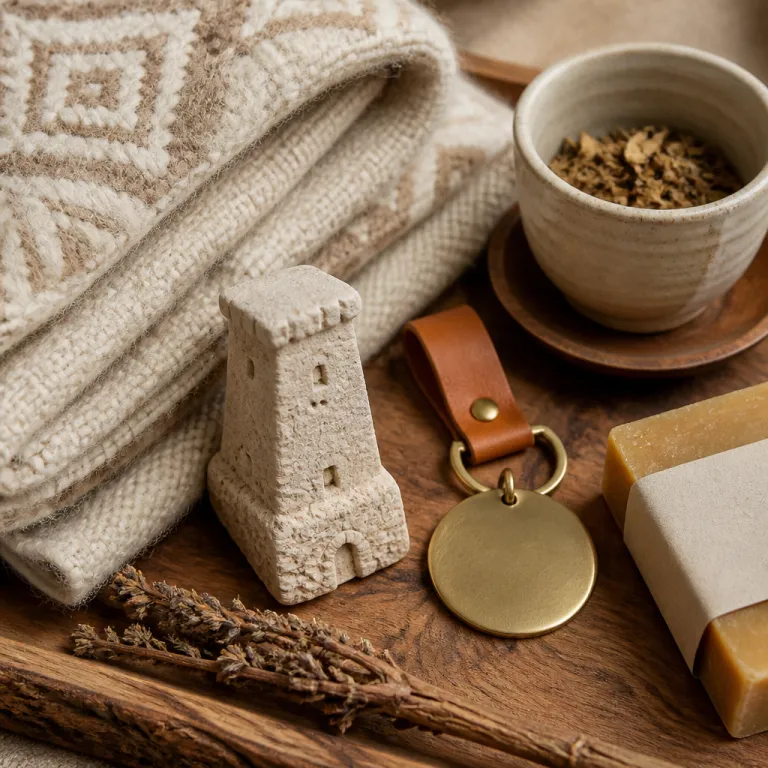
One of the defining pleasures of a luxury stay in Svaneti is waking to a skyline of medieval towers, framed by floor-to-ceiling windows and soft textiles. Conservation surveys and heritage reports indicate that roughly two hundred Svanetian towers still stand across the region, and several premium hotels position their suites to capture these silhouettes for guests who value photography as much as they value spa rituals. For travelers who plan carefully, choosing a property with direct views of these towers turns every sunrise and sunset into a private exhibition of history.
The village of Ushguli, listed as a UNESCO World Heritage Site as part of Upper Svaneti, sits at around 2,100 meters and offers some of the most dramatic perspectives in the area. High-end lodges here often blend traditional stonework with contemporary interiors, allowing you to read the architectural history of the Svaneti region while enjoying modern comforts such as heated floors and curated art. For guests passionate about food photography, the interplay of stone towers, wooden balconies, and tables set with Georgian food seasoned by Svanetian salt creates a layered visual narrative that goes far beyond standard hotel imagery.
Luxury booking platforms that focus on Georgia now provide detailed image galleries, so you can continue reading visual stories before committing to a reservation. When evaluating options, look for properties that highlight both exterior views of the Caucasus Mountains and interior scenes of Svan life, including kitchens where Georgian recipes are prepared and lounges where the Svan language is spoken. This balance between architectural heritage and lived culture ensures that your stay feels rooted in place rather than in a generic mountain aesthetic.
Language, rituals, and the ethics of premium tourism in Svaneti
As luxury interest in Svaneti grows, the most responsible hotels treat Svanetian culture not as a backdrop but as a living system that must be protected. The Svan language, traditionally oral but increasingly documented using Georgian script in some contexts, is central to this effort, and many properties now support local initiatives that safeguard it through storytelling evenings, song workshops, and collaborations with Svan people. When you choose a hotel that invests in these projects, your booking directly supports the preservation of both language and history in the Svaneti region.
Ethical luxury in Svaneti also means respecting local rhythms, from agricultural cycles to religious festivals, rather than imposing a purely international schedule. Some premium lodges coordinate with village hosts so that guests can attend traditional Georgian celebrations without overwhelming small communities, often limiting group sizes and providing cultural briefings in advance. These briefings might explain why certain foods, such as chicken dishes seasoned with Svanetian salt or specific cheese recipes, appear on the table during particular holidays, helping visitors read the deeper meaning behind what they taste.
Responsible booking platforms now highlight such practices in their property descriptions, encouraging travelers to continue reading about cultural commitments rather than stopping at spa lists and room categories. When you evaluate options, look for clear references to partnerships with Svan people, support for oral traditions, and respect for the Caucasus Mountains as both a natural and spiritual landscape. This approach ensures that luxury in Georgia aligns with authentic Georgian values, where hospitality is generous but never extractive.
Designing a svanetian itinerary: how to choose the right luxury stay
Planning a premium journey through Svaneti begins with understanding the geography of the region and its access points. Many travelers arrive via Kutaisi or Tbilisi, then drive or transfer by 4x4 into the mountains, so it is wise to select hotels that coordinate logistics and provide experienced Svan drivers familiar with local roads. Because distances in the Caucasus Mountains can be deceptive, a well-designed itinerary often combines two or three properties across Upper Svaneti and lower valleys, balancing altitude, comfort, and cultural variety.
When comparing luxury hotels on a specialized Georgia booking website, focus on how each property integrates Svanetian culture into daily operations rather than on room size alone. Some lodges emphasize Georgian cuisine with extensive menus of regional recipes, including khachapuri, chicken stews, and cheese plates seasoned with Svanetian salt and other Georgian salt blends. Others highlight wellness, offering spa treatments that use local herbs from the Svaneti region, while still serving traditional Georgian dishes that respect the taste preferences of both locals and international guests.
Art-minded travelers should pay attention to properties that engage with the broader cultural scene in Georgia, including contemporary art events in Tbilisi. A useful reference is the feature on why the Tbilisi art fair matters beyond gallery walls, which shows how visual culture and travel choices intersect. By choosing hotels that curate local art, support food photography workshops, and invite guests to read about Svanetian history in thoughtfully assembled libraries, you create an itinerary where every stay feels like a chapter in a coherent story rather than an isolated booking.
Key figures and cultural facts for planning a svanetian luxury stay
- Heritage surveys and conservation reports indicate that around 200 Svanetian towers remain standing across the Svaneti region, giving guests in many luxury hotels direct views of medieval architecture from their suites (for example, figures cited by Heritage Daily and related field studies).
- The village of Ushguli, a popular base for premium stays in Upper Svaneti, sits at approximately 2,100 meters above sea level, so travelers should plan for altitude and cooler evenings even in warmer months (as noted in UNESCO documentation on Upper Svaneti).
- Georgian tourism authorities report that cultural and nature-based travel to mountain regions such as Svaneti has grown significantly over the past decade, with a rising share of visitors choosing higher-end accommodation that emphasizes authentic Georgian experiences rather than mass-market packages.
- Culinary researchers describe Svanetian salt as a traditional Georgian spice blend from Svaneti, and this mix of sea salt, garlic, blue fenugreek, and red pepper now appears on tasting menus in luxury hotels across Georgia, not only in the mountains.
- Linguistic studies confirm that the Svan language has historically been transmitted orally, even though it can be rendered using Georgian script, which is why many responsible hotels support oral history projects and storytelling evenings to help safeguard this intangible heritage for future generations.
FAQ about luxury and premium stays in Svaneti
What does svanetian mean in the context of travel to Georgia ?
Svanetian refers to the people, language, and culture of Svaneti, a mountainous region in northwestern Georgia. For travelers booking luxury hotels, it signals that a property engages with Svan people, respects the Svan language, and incorporates regional history and food into the guest experience. When a hotel describes its design or cuisine as Svanetian, you can expect strong links to the Caucasus Mountains and to traditional Georgian practices.
What is Svanetian salt and how is it used in high end hotels ?
According to local experts, “What is Svanetian salt?” “A traditional Georgian spice blend from Svaneti.” Luxury and premium hotels in the Svaneti region use Svanetian salt to season dishes such as chicken stews, roasted vegetables, and cheese plates, often explaining its ingredients, including sea salt, garlic, blue fenugreek, and red pepper. Guests interested in Georgian cuisine can often join cooking sessions where they learn how this salt traditional to Svaneti shapes the taste of Georgian food.
Is the Svanetian language written, and will I need to speak it ?
Researchers note that “Is Svanetian language written?” “No, it is traditionally unwritten.” In practice, most staff at luxury hotels in Svaneti and other parts of Georgia speak Georgian and English, so you will not need the Svan language for basic communication. Hearing Svan spoken among locals, however, adds depth to your stay and underscores the importance of supporting properties that help preserve this unique language.
What are Svanetian towers and can I stay near them in comfort ?
Heritage specialists explain that “What are Svanetian towers?” “Medieval stone defensive structures in Svaneti.” Many high-end lodges and hotels in Upper Svaneti are located within walking distance of these towers, and some even incorporate views of them into suite layouts and spa areas. When booking, look for image galleries that show how close the property is to the towers and to the surrounding mountains.
How can I choose an ethical luxury hotel in the svaneti region ?
An ethical luxury hotel in Svaneti will employ Svan people in meaningful roles, support local food producers, and respect the cultural rhythms of the region. Signs of this commitment include menus that highlight Georgian recipes using Svanetian salt, partnerships with guides who understand both safety in the Caucasus Mountains and local customs, and programs that support the Svan language and oral history. When in doubt, read property descriptions carefully, ask about community projects, and continue reading independent reviews that focus on cultural impact rather than only on amenities.