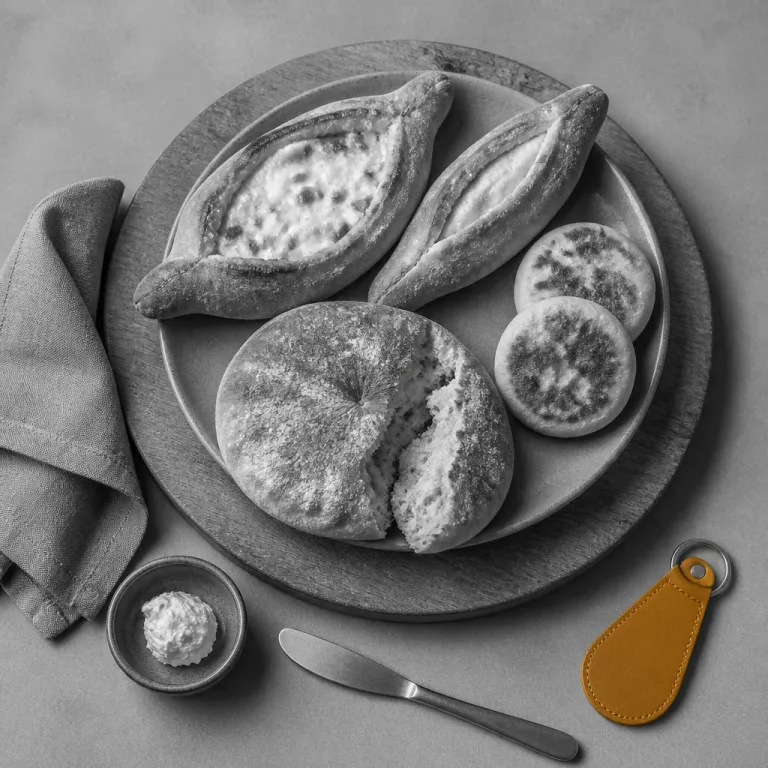
UNESCO wheat heritage and the rise of georgian bread traditions travel
UNESCO’s 2023 inscription of “Ancient Georgian wheat culture” on the Representative List of the Intangible Cultural Heritage of Humanity quietly reset the compass for georgian bread traditions travel. The listing, approved by the Intergovernmental Committee at its 18th session in Kasane, Botswana, in December 2023, recognises the full cycle of wheat in Georgia, from sowing and harvesting to milling and baking, and it turns what was once background food into the main storyline for luxury itineraries. For travellers choosing a premium hotel in Tbilisi or Kakheti, this means your stay can now orbit around regional bread rituals rather than just restaurant reservations.
The recognition covers ancient wheat species such as dika, zanduri and tsiteli doli, traditional farming practices and the communal cultural rituals that still frame the feast supra in many villages. UNESCO and the Georgian Government worked with the Ministry of Culture, the Ministry of Environmental Protection and Agriculture and the Georgian Wheat Growers Association to document how bread dough moves from field to oven, and how families still mark life events with filled bread and cheese bread. As officials from the Ministry of Culture noted in their 2023 submission file, “protecting wheat means protecting the memory of Georgian villages,” a stance that has encouraged high end hotels to partner with local bakers, millers and farmers, turning a stay into a front row seat on living georgian culture.
Officially, “What is Georgian wheat culture?” has a clear answer: “Ancient traditions and rituals of wheat cultivation in Georgia.” “Why did UNESCO recognize Georgian wheat culture?” is equally direct: “To preserve and promote Georgia's unique wheat heritage.” “How does this recognition affect tourism?” closes the loop: “It enhances cultural tourism by attracting visitors interested in traditional practices.” For the solo explorer booking a luxury room, this translates into curated georgian cuisine experiences where georgian cheese, khachapuri cheese and freshly baked loaves become the organising principle of your route through each region.
From khachapuri to regional bread varieties in georgia’s landscapes
Most travellers arrive in Georgia thinking of one dish only, the iconic khachapuri that anchors almost every menu. Once you start tracing georgian bread traditions travel through the country’s wheat landscapes, though, you realise that regional varieties of bread tell a far richer story than any single cheese filled classic. Luxury hotels that take georgian culture seriously now design tasting routes that move from clay oven to mountain hearth, pairing each stop with wine, art and architecture.
In Tbilisi, you might begin with traditional Georgian tonis puri, a canoe shaped loaf slapped against the walls of a tone, the deep stone oven that perfumes entire streets with freshly baked aromas. Head west and the regional character shifts: in Imereti, imeretian khachapuri and its cousin khachapuri imeruli showcase supple imeruli cheese folded into soft dough, while in Adjara the theatrical adjarian khachapuri arrives as a boat of cheese bread crowned with egg and butter. Each region offers multiple varieties of filled bread, and the best properties now invite village bakers into their kitchens for live demonstrations.
On the Black Sea coast, the curve of the shoreline mirrors the shape of some adjarian loaves, and you can taste how maritime air and trade routes shaped georgian cuisine. Inland, Svaneti’s high altitude fields produce grains that give their traditional bread a denser crumb, ideal comfort food after a day of hiking between towers. If you want to understand how these flavours intersect with ritual, read about the tamada and the long form Georgian supra ceremony, then book a hotel that can arrange a private feast supra where each georgian bread style is paired with a different toast.
Village stays and grain to loaf immersion for luxury travellers
A new pattern is emerging in georgian bread traditions travel: travellers are slowing down and spending several days in a single village to follow wheat from field to table. For guests used to five star lobbies, the surprise is how seamlessly high comfort can coexist with mud brick oven sheds, bread dough under fingernails and family stories told over late night tea. The most forward thinking luxury and premium hotels in Georgia now act as gateways, curating overnight or multi day excursions where you sleep in polished suites but spend your daylight hours shaping dough with local bakers.
In Kakheti, design focused wine retreats such as Lopota Lake Resort & Spa or Schuchmann Wines Chateau can drive you to nearby villages where three generations share the history of their traditional Georgian wheat, then invite you to knead cheese filled bread for the evening feast supra. In Imereti, hillside guesthouses around Kutaisi arrange workshops focused entirely on imeretian khachapuri and khachapuri imeruli, where you learn to balance georgian cheese and imeruli cheese so the filled bread stays molten but never greasy. These stays are not rustic compromises; they are carefully designed experiences where heated bathroom floors and crisp sheets meet the smoke of a backyard oven.
For travellers who value design and discretion, the best properties treat wheat culture the way they treat spa menus or art collections, as a core part of the stay rather than an add on. Some mountain lodges in Mestia and Gudauri now offer “grain to loaf” itineraries that end with a private tasting of adjarian khachapuri, cheese bread and traditional flatbreads on a terrace facing the Caucasus, a more grounded alternative to any generic resort package. If you want to understand why this ethos matters across the region’s hospitality scene, look at how the country’s finest hoteliers argue that the best Caucasus stays should never be reduced to the word resort style hospitality, then choose properties that extend that same integrity to their wheat and georgian bread programs.
Gemo Fest, regional festivals and mapping your bread led itinerary
For solo travellers planning georgian bread traditions travel, festivals provide a clear framework for choosing both dates and destinations. Gemo Fest, a regional food festival launched in 2019 and now entering its fifth season, has become a discreet compass for mapping regional varieties of bread and georgian cuisine without sacrificing comfort. When the festival reaches mountain towns like Mestia, usually in late summer, luxury minded visitors can pair high altitude hotels with days spent tasting traditional filled bread, smoked meats and herb packed stews from small scale entrepreneurs.
The Mestia edition recently brought together sixteen local producers, many of whom specialise in traditional Georgian recipes that rarely leave their region. According to the organisers, more than 3,000 visitors passed through the stalls over a single weekend, a scale that still feels intimate compared with mass tourism events. For a guest staying in a premium lodge, this means you can walk from your suite to stands offering freshly baked loaves, cheese filled pastries and experimental takes on khachapuri that still respect georgian culture. Similar events in Imereti and Adjara highlight adjarian khachapuri, imeretian khachapuri and other varieties of cheese bread, giving you a structured way to compare how bread dough behaves in different climates and altitudes.
Even outside festival dates, you can use these circuits as a template, asking your hotel concierge to arrange private tastings with bakers who usually appear only at Gemo Fest. In Batumi, for example, a seafront property can organise a morning in a village near the Black Sea where you help prepare adjarian filled bread, then return to the city for a late afternoon spa session. If you want to go deeper into how these culinary routes intersect with art and design, you can read an article on Tbilisi’s contemporary art scene and build an itinerary that moves from galleries to bakeries with the same level of intention.
Slow bread, supra rituals and choosing the right luxury base
Georgian bread traditions travel sits at the intersection of slow food, ritual and high comfort, and your choice of hotel will determine how deeply you can engage with each layer. The most interesting properties treat georgian bread not as a welcome amenity but as a narrative thread that runs from breakfast buffets to late night feast supra banquets. When you evaluate options, look for hotels that name specific regional varieties like adjarian khachapuri, imeretian khachapuri or khachapuri imeruli on their menus, and that can arrange visits to local mills and traditional oven houses.
In Tbilisi, some luxury addresses now collaborate with village bakers to host weekly bread rituals where guests shape dough, learn about endemic wheat species and taste georgian cheese alongside natural wines. In Kakheti, vineyard hotels often pair qvevri cellar tours with sessions on cheese filled bread, explaining how georgian cuisine balances acidity, fat and grain to create true comfort food. Along the Black Sea, high end properties in Batumi are beginning to offer early morning excursions to adjarian villages, where you can watch freshly baked cheese bread emerge from wood fired ovens before returning to rooftop pools.
For solo explorers, the key is to ask precise questions before you book, because the right hotel will act as your translator into georgian culture. Do they work with specific family run bakeries in each region, and can they arrange a private feast supra where your own filled bread appears on the table alongside khachapuri cheese and seasonal food from nearby fields? Do they understand that the story of georgia is written in bread as much as in wine, and that following wheat from field to loaf is now one of the most compelling ways to travel through the country in style?
FAQ
What is meant by georgian bread traditions travel ?
Georgian bread traditions travel refers to itineraries in Georgia that focus on wheat, georgian bread and baking rituals as the main lens for exploring the country. Travellers visit regional mills, traditional oven houses and local families to learn how bread dough becomes filled bread, cheese bread and other staples of georgian cuisine. Luxury hotels now curate these experiences so guests can enjoy high comfort while engaging deeply with georgian culture.
How does UNESCO’s recognition of Georgian wheat culture affect my trip ?
UNESCO’s recognition has encouraged Georgia to safeguard its wheat history and promote it as a core part of cultural tourism. For travellers, this means more structured opportunities to join family baking sessions, attend wheat themed events and taste regional varieties of bread such as adjarian khachapuri or imeretian khachapuri. High end hotels increasingly integrate these elements into their offerings, from breakfast buffets to curated feast supra evenings.
Which regions are best for exploring different georgian bread styles ?
Each region of Georgia offers distinct georgian bread traditions that reflect local climate and culture. Adjara and the Black Sea coast are ideal for tasting adjarian cheese filled bread, while Imereti excels in imeretian khachapuri and khachapuri imeruli made with imeruli cheese. Mountain areas like Svaneti showcase denser loaves that function as true comfort food after long hikes.
Can I join a supra focused on bread while staying in a luxury hotel ?
Many luxury and premium hotels in Georgia can arrange a private feast supra where georgian bread plays a starring role. These events often include multiple varieties of filled bread, from classic khachapuri to regional flatbreads, paired with wines and seasonal food. Ask your concierge whether they collaborate with local bakers and whether guests can participate in preparing the bread dough before the toasts begin.
Is georgian bread traditions travel suitable for solo travellers ?
Solo travellers are particularly well suited to georgian bread traditions travel because village stays and workshops naturally create social settings. Joining a family in their kitchen to bake cheese bread or adjarian khachapuri offers an immediate connection that goes beyond standard sightseeing. Choosing a hotel experienced in organising small group classes and regional excursions will help you move easily between private comfort and shared georgian culture experiences.
Sample 3 day georgian bread traditions itinerary
Day 1 – Tbilisi: Check into a boutique hotel in the historic centre, then join an afternoon walk through bakeries around Marjanishvili and Sololaki to taste tonis puri and street side khachapuri. In the evening, attend a guided supra style dinner where a tamada explains toasts while you sample different regional breads.
Day 2 – Kakheti: Transfer to a wine country hotel such as Lopota Lake Resort & Spa. Spend the morning visiting a family run mill and backyard oven, shaping dough for cheese filled bread that will appear at your sunset feast. After a qvevri wine tasting, return to the terrace for a bread focused supra overlooking the vineyards.
Day 3 – Imereti or Adjara: Fly or drive to Kutaisi or Batumi and settle into a premium guesthouse. Join a hands on class in imeretian khachapuri or adjarian khachapuri, then walk the old town to compare bakery counters. End the trip with a final tasting of regional loaves, noting how wheat, altitude and climate have shaped each style you encountered.