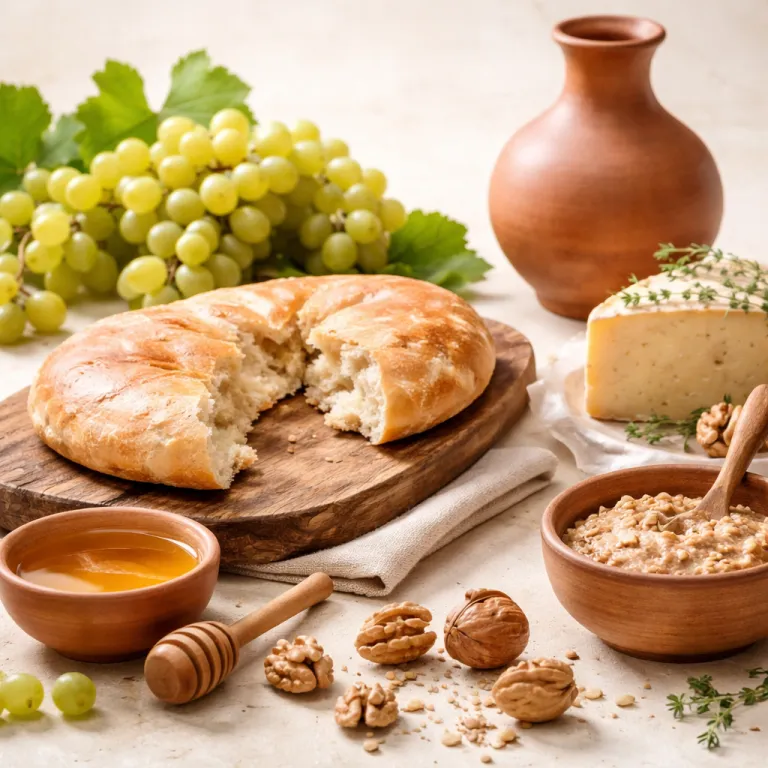
Why the Georgian supra belongs at the heart of your hotel stay
The most meaningful Georgian supra in a hotel begins long before the first glass of wine is poured. When you plan a romantic visit to Georgia, the feast is not just another themed dinner but the cultural lens that reveals how this country loves, remembers and welcomes guests. A true supra inside a luxury property should feel like being invited to a family table rather than attending a staged show.
Across Georgia, from lakes near Tbilisi to the vineyards of Kakheti, high end properties now compete to host the most authentic Georgian feast for couples who want to experience Georgia through food and wine. At Tsinandali Estate in Kakheti, for example, the team often works with local families from nearby villages to recreate the cadence of a village supra in the hotel’s historic gardens. When you book a stay, ask whether the evening is led by a local tamada toastmaster who is free to stretch the night, call the chacha and guide the wines as the stories deepen.
Luxury travelers often arrive in Tbilisi after long day trips and feel tempted to skip content on the hotel’s dining page, assuming it is standard international food. That is a mistake, because the best properties curate Georgian dishes that mirror the structure of a supra and introduce you gently to Georgian wine styles. A carefully planned feast in a hotel setting will let you taste different types of wine with khachapuri, pkhali and grilled mtsvadi, then explain how each toast connects to the history of this country and its people. For images, consider alt text such as “traditional Georgian supra table in a Tbilisi boutique hotel” or “Kakheti vineyard hotel hosting a romantic Georgian feast.”
The tamada toastmaster and the real cadence of a Georgian feast
At the center of every Georgian supra stands the tamada toastmaster, whose role is far more precise than simply raising a glass. The tamada leads the Georgian feast with a sequence of toasts that usually moves from ancestors and peace to parents, children, friendships, women, the host and finally a closing thought chosen for that specific table. When a hotel respects this structure, your evening feels intimate, reflective and quietly theatrical without ever becoming dinner theater.
During a traditional Georgian evening, the tamada decides when the wine flows, when to pause for songs and when to call for chacha, the local spirit that can quickly unbalance an unprepared guest. The best luxury hotels in Tbilisi and Kakheti understand that the tamada must not be reduced to a staff role with a microphone, because that breaks the spell and turns the supra into a scripted show. Instead, they invite respected local hosts who treat the hotel dining room as an extension of their own home, guiding guests through Georgian food, Georgian wine and the emotional logic of each toast.
Official guidance for visitors from Georgian tourism materials is clear on this point and worth hearing in full: "What is a Georgian supra?" "A traditional feast with food, wine, and toasts." "Who leads a supra?" "A Tamada, or toastmaster." "What is the role of toasts in a supra?" "Toasts express sentiments and guide the feast's flow." "Is music part of a supra?" "Yes, often includes singing and dancing." "Can tourists participate in a supra?" "Yes, many hosts welcome tourists to experience a supra." One tamada at a boutique hotel in Tbilisi summed it up simply to a visiting couple in 2023: "You are not here to watch us; you are here to sit with us." When you plan a Tbilisi day focused on culture, reserve your energy for the evening and avoid heavy cocktails beforehand, because the tamada will expect you to join every toast with attention and respect.
From qvevri cellars to hotel tables: understanding Georgian wine with food
Georgia is often introduced as the cradle of wine, with archaeological evidence tracing winemaking back thousands of years and more than 500 endemic grape varieties still cultivated. The National Wine Agency of Georgia notes that qvevri clay vessels are part of this continuous tradition, and in 2013 UNESCO recognized the ancient qvevri method as intangible cultural heritage. For a couple planning a supra-focused stay, this depth matters because the wines are not background drinks but active partners in every toast. A thoughtful hotel sommelier will use the feast to guide you through several types of wine, from crisp Rkatsiteli to amber qvevri styles that shine with rich Georgian dishes.
In Kakheti, especially around Tsinandali and the Kakheti–Tbilisi road, many luxury properties maintain their own wine cellars or partner with nearby winery estates. At some hotels, a short walk from the lobby takes you into a stone cellar lined with qvevri, where the sommelier might pour Kisi or Saperavi directly from the barrel before dinner. A private visit to a winery followed by a supra inside the hotel’s stone wine cellar can be one of the most romantic ways to experience Georgian wine, particularly when the tamada explains why amber wines are not a stunt but a deeply traditional Georgian expression. If you are curious about structured learning, ask whether the property offers a short wine course that links tasting flights to specific Georgian food pairings, rather than a generic overview of wines.
Some couples like to schedule day trips from Tbilisi to Kakheti lakes and vineyards, then return for a quieter evening meal in the city. Others prefer to stay directly among the vines near Tsinandali, where a Georgian supra under the stars can stretch late into the night with great wine and acoustic songs. For more ideas on weaving wellness and gastronomy into one itinerary, you can read about elegant ways to enjoy Borjomi drinking on a luxury stay in Georgia, which pairs naturally with a slower, more reflective supra later in the trip. Image descriptions might include “qvevri wine cellar in a Kakheti resort” or “amber Georgian wine served with traditional dishes in a hotel restaurant.”
How hotels stage the supra: signals of authenticity and red flags
Not every Georgian feast in a hotel is created equal, and luxury travelers quickly learn to read the room. When a property hands the supra to its banquet team without a genuine tamada toastmaster, the evening usually slides into choreographed entertainment with fixed timing and predictable jokes. In that scenario, the Georgian feast becomes a photo opportunity rather than a living ritual, and the connection between Georgian dishes, Georgian wine and the emotional arc of the toasts is lost.
There are three reliable signals that a hotel-organized supra is the real thing rather than a staged performance. First, the table feels like a family gathering, often with relatives of the owners or local friends joining as guests rather than as performers, which immediately changes how you experience Georgian hospitality. Second, there is no microphone, because a true tamada controls the room with voice, rhythm and eye contact, not with amplification that turns each toast into a speech.
The third signal is subtle but decisive: the tamada is not on the hotel payroll and is introduced as a respected friend of the house, free to extend or shorten the evening according to the mood. One frequent guest at a vineyard retreat near Telavi described the difference after an authentic night in 2022: "By the third toast, we forgot we were in a hotel at all." When these conditions are met, you will feel invited inside a traditional Georgian celebration even while staying in a polished city hotel or a vineyard retreat. For a deeper sense of how refined hospitality can frame local culture without flattening it, compare your supra expectations with the way grand American properties handle regional dining, as explored in this guide to experience refined elegance at Savannah hotels. For photography, use alt text such as “authentic Georgian supra with local tamada in a vineyard hotel.”
Planning your supra around Tbilisi, Kakheti and Georgia’s lakes
Thoughtful timing is essential if you want your Georgian supra in a hotel to feel romantic rather than exhausting. Many couples start their visit in Tbilisi, using one Tbilisi day for museums and another for lighter day trips to nearby monasteries or lakes before committing to a full evening Georgian feast. Because the traditional structure unfolds slowly, you should avoid stacking it after a long mountain hike or a heavy wine tour where you already tasted multiple wines without food.
One elegant approach is to schedule a gentle visit to wine country in Kakheti, perhaps focusing on a single winery near Tsinandali with a calm lunch and a short wine course. Return to your hotel in the late afternoon, rest, then join the evening table when you are ready to experience Georgian hospitality with full attention and a clear palate. If your itinerary includes stays near lakes or in spa towns, use those nights for quieter Georgian food tastings and keep the full supra for a property that can host it with depth and sincerity.
Remember that a Georgian supra is not only about food and drink but about entering the emotional life of the country through shared stories, songs and toasts. When you choose a hotel, ask specific questions about who leads the feast, where the wine cellars are located and how many guests typically join, because these details shape how you will experience Georgia at the table. With the right setting, the tamada’s voice, the glow of great wine and the cadence of toasts will stay with you long after you leave Georgia’s valleys and return home.
FAQ about Georgian supra experiences in luxury hotels
What is a Georgian supra in a hotel context ?
A Georgian supra in a hotel context is a structured feast that brings traditional Georgian food, Georgian wine and ritual toasts into a curated setting for guests. The best properties invite a local tamada toastmaster to lead the evening so that the sequence of toasts, songs and courses mirrors a family celebration. This allows travelers to experience Georgian culture deeply while enjoying the comfort and service standards of a premium hotel.
How long should I plan for a hotel hosted supra ?
A meaningful evening usually lasts at least three hours, sometimes longer if the mood is warm and the tamada keeps the toasts flowing. Couples should avoid booking late night transfers or early morning day trips immediately after the feast, because pacing yourself with wine and chacha requires time and rest. Plan the supra for a night when you can linger at the table, talk with local guests and let the evening end naturally.
Can tourists actively participate in the toasts and songs ?
Guests are encouraged to participate in a Georgian feast, and most tamadas will invite you to offer a short toast once you understand the rhythm. You are not expected to speak Georgian, but learning a few phrases and listening carefully to earlier toasts shows respect. Singing is optional, yet many visitors find that joining even one chorus helps them experience Georgia more fully at the table.
How do I know if a hotel supra is authentic rather than staged ?
Authentic hotel supras usually feature a tamada who is a respected local rather than a staff entertainer, a family style table with mixed local and international guests and no microphone. The wines are often sourced from serious winery partners or the hotel’s own wine cellar, and the Georgian dishes follow a thoughtful progression rather than a random buffet. If the event is tightly timed, heavily amplified and focused on photo moments, it is more likely to be dinner theater than a living tradition.
When in my trip should I schedule the supra ?
Most couples enjoy the supra most when they schedule it after a few days in Georgia, once they have tasted basic Georgian food and rested from long flights. Plan it after a lighter Tbilisi day or a relaxed visit to Kakheti, not after intense day trips or heavy wine tastings. This way you arrive at the table curious, attentive and ready to join the full emotional range of the toasts.