Why kakheti wine country in May and June tastes better
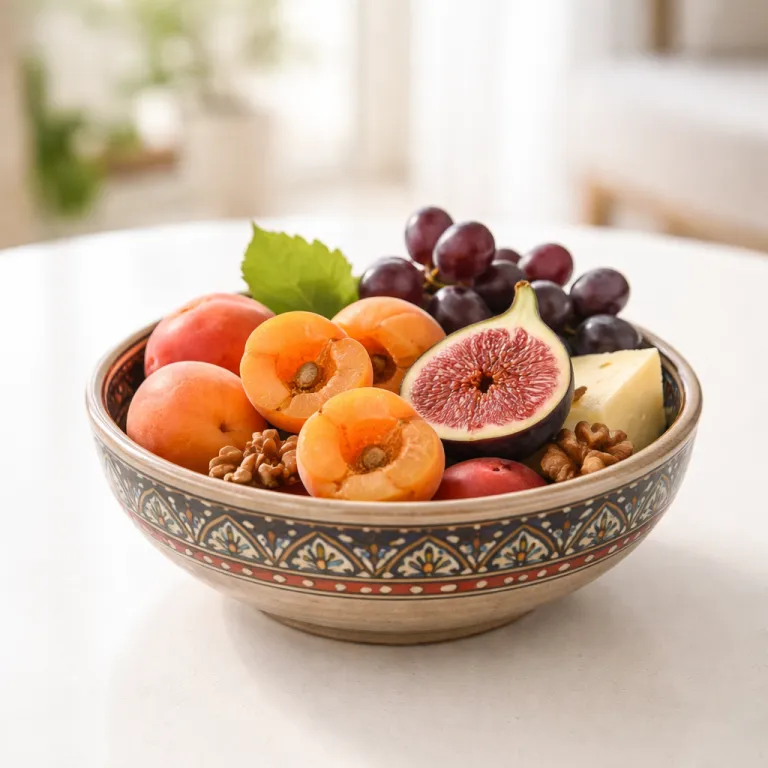
In Kakheti during late spring, the table breathes differently. Kitchens across this Georgian wine region work with tarragon, jonjoli, wild greens, young beans and the first cherries and apricots, so every plate feels lighter, greener and more precise than during the heavy harvest feasts. When you visit Kakheti at this time, chefs in Telavi and Sighnaghi have the time to talk through each Georgian wine pairing, rather than racing to feed harvest crews and tour buses.
The vineyards are in full bloom by late May, and by June you walk between early grape clusters that still smell almost floral rather than sugary. According to Georgia’s National Environment Agency climate summaries for Telavi, average daytime temperatures sit around 22 °C in May and 27–28 °C in June, keeping long al fresco lunches comfortable, which matters when you are tasting multiple wines and natural wine styles over a slow day. This is the moment when a couple can sit under an Alazani Valley pergola, share a bottle of Kakheti wine and actually hear the tamada’s toast without the background roar of Rtveli celebrations.
From a hospitality perspective, visiting in late spring means staff are rested, cellars are calm and attention is undivided. A small winery that in harvest season might host three wine tours before lunch can in May or June host one detailed visit, opening older qvevri wines and explaining the clay vessels with patience. As one Telavi cellar master told a regional wine magazine in 2023, “In spring we finally have time to talk, not just pour,” which captures why many couples quietly prefer this window.
The cellar argument: qvevri access and real conversations
For serious wine travelers, the strongest case for Kakheti in May and June is underground. Qvevri, the traditional clay vessel for fermenting wine, sits buried in cool cellars, and in late spring cellar masters in Georgia have the time to pull lids, taste from amphorae and explain how Kakheti qvevri techniques differ from other wine regions. During Rtveli, those same Georgian hosts are often too busy managing grapes to offer more than a quick pour and a smile.
In Telavi, which anchors the Kakheti region, estates along the Alazani Valley road typically offer longer wine tours in spring, with more detailed walks through vineyards before you step into the winery. You might taste young Georgian wine from stainless steel, then compare it with structured amber wine from clay, building a complete guide in your own notebook glass by glass. At properties such as the Lost Ridge Inn and similar natural wine estates, where low‑intervention winemaking and slow food define the house style, May and June mean fewer groups and more one to one time with the winemaker.
Couples booking through a luxury platform quickly see the value in this timing when they compare costs in GEL. A two night stay with a private wine tour, transfers over the Gombori Pass and a long lunch at a benchmark address like Pheasant Tears in Sighnaghi often comes in 20 to 30 percent lower than peak harvest weekends, while room categories remain the same. Industry data summarized by Georgian hotel associations and tourism boards show a similar pattern nationwide, with shoulder season dates consistently delivering the best value for premium rooms.
Three estates we book in late May and June
When readers ask for a guide to Kakheti tailored to couples, we start with three names that work beautifully for late spring wine travel. In and around Sighnaghi, Pheasant Tears remains essential for anyone serious about natural wine and Georgian wine traditions, because the winery team balances experimental cuvées with textbook Kakheti wine made in buried clay. Book a late lunch, then a slow day trip back to your hotel, and you will understand why this hilltop town anchors so many romantic itineraries in Georgia.
Second, we look to the Lost Ridge Inn, a small estate near the Alazani Valley that combines a working winery with thoughtful accommodation and a kitchen that shines in late spring. Here, vineyards wrap around the property, and a guided walk at golden hour becomes one of those quietly perfect day trips, especially when the air still carries the cool of the Gombori Pass. Ask specifically for a cellar session focused on Kakheti qvevri wines, then pair it with a dinner built around seasonal vegetables and grilled river fish rather than the heavier autumn meats.
Finally, for guests who want proximity to Telavi and easier access from Tbilisi, we recommend refined winery hotels along the main Kakheti corridor, where professional teams handle private wine tours with polished ease. These properties understand that couples in Kakheti during May and June want privacy, pool time and flexible tasting schedules, not just a packed program of group wine tours. If you are combining this with a Caucasus mountain leg, align your dates with an itinerary such as an elegant guide to the tallest mountains in Georgia for luxury minded travelers, then let your hotel concierge coordinate transfers between wine country and the high peaks.
Tbilisi tables, pricing reality and when Rtveli still wins
Any serious trip to Kakheti wine country in May and June should begin or end with two nights in Tbilisi. The city’s new wave Georgian restaurants work closely with wineries across the Kakheti region, and in late spring their wine lists show fresh releases while kitchens still have the bandwidth to experiment. You taste Georgian wine from small wineries by the glass, then decide which winery merits a full day trip once you leave the capital.
Off peak calendars also shape the city’s wellness and romance options. Private rooms at the historic sulfur baths, especially those booked through insider focused guides to Tbilisi’s real private rooms beyond Abanotubani, are easier to secure at prime evening hours before you head east to wine country. For couples, this sequence — one indulgent spa day in Tbilisi, then three quiet days among vineyards in Kakheti — often feels more intimate than any harvest season itinerary.
On pricing, the pattern is consistent across the country. In Kakheti wine country in May and June, luxury hotels typically quote lower costs in GEL for suites, private transfers and curated wine tours than they do during Rtveli, when demand from both domestic and international guests spikes. As a concrete example, a two night late spring package for two at an upscale winery hotel might run 1,400–1,800 GEL for accommodation, 400–600 GEL for private transfers from Tbilisi and 300–500 GEL for guided tastings and long lunches, while comparable harvest dates often price 20 to 30 percent higher. That said, Rtveli remains the right call for first time visitors who want the full harvest narrative, from grapes arriving at the winery to village feasts that run late into the night, while repeat travelers and couples seeking calm should treat late spring as their best window.
FAQ
Is May a good time to visit Kakheti for wine travel ?
May is an excellent time to visit Kakheti for wine focused travel, because vineyards are in bloom, temperatures sit around 22 °C and wineries have more time for in depth cellar visits. You experience Georgian wine culture without the harvest crowds, and luxury hotels often offer better availability and rates. For many couples, this balance of calm and activity makes May the best month of the year in this wine region.
How does June in Kakheti compare with the Rtveli harvest period ?
June in Kakheti offers early grape growth, warm but manageable weather and quieter wineries, while the Rtveli harvest period brings intense activity, higher occupancy and more crowded tastings. If you want detailed explanations of qvevri winemaking and relaxed meals, June usually works better. If your priority is seeing grapes picked and pressed, then Rtveli still has the stronger narrative pull.
What is qvevri and why does it matter for Georgian wine ?
Qvevri is a traditional clay vessel for fermenting wine, buried underground to stabilize temperature during fermentation and aging. This method, recognized by UNESCO as intangible cultural heritage, shapes the texture and structure of many classic Kakheti wine styles. Visiting a winery that still uses Kakheti qvevri is essential for understanding why Georgian wine tastes so distinct from wines in other countries.
Should I base myself in Telavi or Sighnaghi for a first Kakheti stay ?
Telavi works well if you want central access to many wineries across the Alazani Valley and easier logistics from Tbilisi, while Sighnaghi suits couples seeking a more compact, hilltop town with strong natural wine addresses such as Pheasant Tears. Both towns offer quality day trips into surrounding vineyards, and both connect easily via the Gombori Pass. For Kakheti wine country in May and June, many travelers split their time between the two for different atmospheres.
How much should I budget in GEL for a two night luxury stay in Kakheti ?
For a two night luxury stay in Kakheti during late spring, couples should expect to budget several hundred GEL per night for a premium room, plus additional costs in GEL for private transfers, guided wine tours and long winery lunches. This usually comes in below comparable Rtveli dates, when demand pushes rates higher. Booking early and traveling midweek can further improve value without compromising on quality.