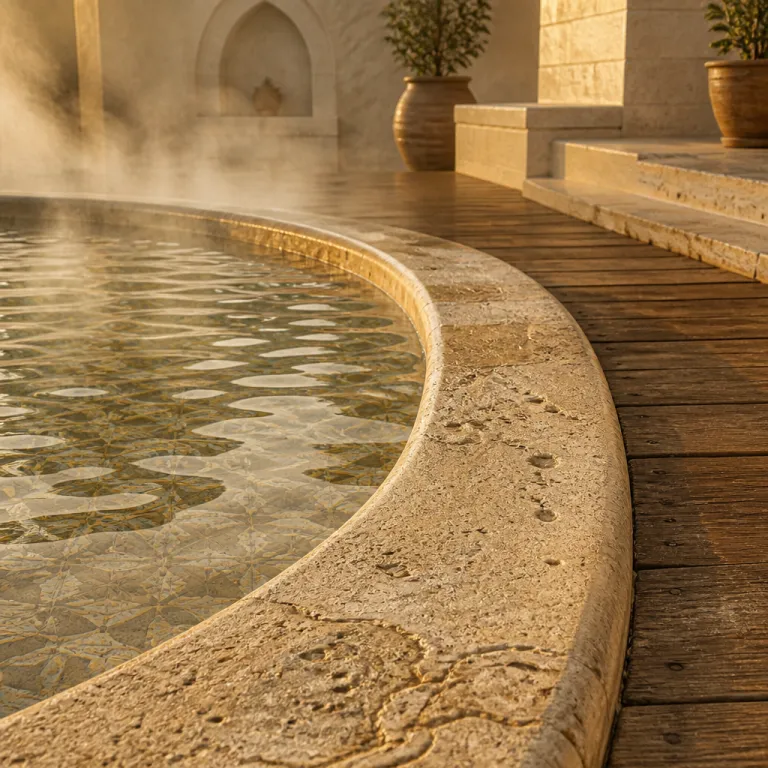
Georgian spa heritage in Tbilisi’s Abanotubani thermal quarter
Georgian spa culture has deep roots in Tbilisi, where natural hot sulfur springs helped shape the city’s identity. In the historic Abanotubani district, a refined bathing tradition blends Ottoman-era brick domes with contemporary wellness design, creating a distinctive sense of place. Travelers who take time to understand local customs usually arrive better prepared and enjoy calmer, more meaningful relaxation.
At the heart of this neighborhood, long-established bathhouses such as Gulo’s Thermal Spa, Royal Bath and Chreli Abano offer sulfur pools and private rooms that combine traditional treatment rituals with discreet modern comforts. Typical listings for these Abanotubani baths include a reception phone number and, in some cases, messaging apps for reservations; always verify the latest contact details and booking procedures on an official listing before you call. When you read editorial-style reviews on a luxury hotel booking website, check whether the property offers priority access to specific bathhouses, a concierge-led transfer service, or in-room pre- and post-bath amenities.
Guests can expect sulfur pools, massages, and saunas that typically operate for extended hours, often from early morning until late at night, giving many hours of flexible access. For example, several Abanotubani bathhouses commonly open around 08:00 and close between 23:00 and 01:00, though exact times vary by operator and season. This generous schedule suits premium travelers landing late in Georgia or returning from day trips who still want a complete bathing ritual before sleep, and many luxury hotels in Tbilisi now integrate these services into their wellness pages, allowing you to reserve treatments online alongside your suite or spa package.
The methods remain reassuringly simple: sulfur water, massage oils, and well-maintained sauna facilities are the core tools. Yet the perceived healing impact feels advanced, because mineral-rich water is widely associated with circulation support, joint comfort, and skin wellness when used as part of a structured therapy plan. When you read curated content on a high-end booking platform, look for clear explanations of each treatment, references to approximate session lengths, and realistic notes about expected outcomes rather than vague promises of natural miracles.
Context matters as much as comfort in Abanotubani, where the steaming domes sit beneath Tbilisi’s Narikala Fortress and narrow streets lined with wooden balconies. The area’s cultural heritage gives every visit a sense of continuity, turning a simple soak into a quiet ritual of cleansing and reflection. Luxury travelers who value authenticity often choose hotels within walking distance, so that a late evening appointment becomes a gentle stroll through the old town rather than a car ride.
Designing a spa focused stay through a luxury booking system
Planning a spa-focused journey in Georgia works best when you start with the booking system, not with last-minute calls from the lobby. A well-designed luxury hotel website lets you filter properties by wellness services, in-house spas, and proximity to Abanotubani or other thermal regions. When you read article-style guides on these platforms, pay attention to how clearly they explain each Georgian spa option, how transparently they describe what is included, and whether they mention representative partners such as Gulo’s Thermal Spa or Royal Bath.
Look for hotels that present their spa services as a structured program rather than a scattered menu of treatments. A strong wellness concept will outline suggested sequences, such as sulfur bath therapy followed by deep-tissue massage and a guided relaxation session, with recommended time gaps between each stage. This approach helps you book appointments that work together as a full healing journey instead of isolated experiences that leave you rushing between rooms or struggling to fit therapies around flights and excursions.
Premium booking engines increasingly highlight natural and low-impact stays, especially in geothermal regions of Georgia. When a property links to background content about Georgia’s geothermal spa towns and their low-impact stay story, you gain context for how local spas manage water use, energy, and guest numbers, sometimes including approximate daily visitor capacity or seasonal occupancy patterns. Such transparency builds trust and makes it easier to align your spa choices with personal sustainability values and comfort levels.
For high-end travelers, contact options matter as much as online forms, because complex itineraries often require human guidance. A responsive concierge team can coordinate spa appointments across several properties in different cities, ensuring transfer times and treatment durations fit your wider travel plans. When a hotel is led by wellness specialists, they will usually propose advanced therapy combinations that match your preferences, health considerations, and time budget, and may suggest specific bathhouses or medical wellness centers that suit your profile.
Many booking platforms now integrate secure messaging, allowing you to receive confirmations, adjust appointment times, and request specific therapists in one place. This digital system reduces friction and helps you maintain a full overview of your spa schedule, especially during multi-city trips in Georgia. Before you finalize payment, always read the cancellation policy for each treatment, because peak evening slots in Abanotubani and other popular spas can be tightly controlled and may carry stricter change or refund conditions.
From Tbilisi to spa towns ; mapping Georgia’s premium wellness circuit
A refined Georgian spa itinerary rarely stops at Tbilisi, because the country’s bathing heritage extends deep into its mountains and valleys. Wellness travelers often combine the capital’s sulfur baths with stays in historic spa towns, creating a layered experience that moves from urban energy to rural calm. Using a premium booking system, you can align hotel choices with specific treatment traditions and landscapes in each region, building a circuit that might include Tbilisi, Borjomi, Tskaltubo, or Sairme.
Borjomi, long known for its mineral water, is a prime example of this evolution toward contemporary wellness. When a hotel links to an in-depth feature such as Borjomi’s quiet revival and its move away from Soviet sanatorium logic, you gain insight into how local spas are redefining healing culture and guest expectations. This context helps you book properties that prioritize natural surroundings, thoughtful therapy design, and respectful use of historic facilities, whether you choose a classic spa hotel in Borjomi Central Park or a newer wellness resort in the surrounding forest.
Across Georgia, many spa hotels now offer advanced hydrotherapy pools, inhalation rooms, and medical wellness consultations alongside classic massages. When you read detailed descriptions, look for clear distinctions between medical treatment, relaxation therapy, and beauty services, because each requires different expectations, time commitments, and sometimes medical oversight. A well-curated program will usually combine at least one medically informed session with lighter spa rituals and unstructured rest, and some properties publish sample three- or five-day itineraries to illustrate how this balance works in practice.
Travelers who value privacy often choose suites with in-room saunas or deep soaking tubs, turning their accommodation into a personal retreat between scheduled appointments. Luxury booking websites highlight these features with precise measurements, such as pool length in meters or sauna capacity, which helps you assess whether the space truly supports full relaxation. When several spas are involved, a hotel-led transfer system or pre-arranged driver ensures you arrive on time for every therapy without logistical stress, especially in mountainous regions where road conditions and travel times can vary.
As wellness tourism grows, some properties partner with local experts to offer nature-based experiences like forest bathing, riverside yoga, or mineral spring walks. These activities extend the Georgian spa concept beyond walls, blending natural landscapes with structured healing practices in a way that feels both advanced and timeless. When you read editorial content about such programs, check whether the guides are certified, whether group sizes remain small enough for a calm atmosphere, and whether seasonal factors such as snow or heat may affect access.
Inside the georgian spa ritual ; what to expect from treatments
Stepping into a traditional Georgian bathhouse can feel both familiar and intriguingly different for seasoned wellness travelers. The core ritual in Abanotubani often begins with a hot sulfur soak, where mineral-rich water softens muscles and prepares the body for deeper therapy. Many guests then move to a vigorous scrub or massage treatment, which completes the full cleansing and relaxation cycle and typically lasts between thirty and sixty minutes.
Luxury hotels that partner with established bath operators often arrange private rooms with domed ceilings, marble benches, and carefully controlled water temperatures. These spaces allow you to enjoy the properties of sulfur water without the crowds sometimes found in public pools, which suits travelers seeking quiet and privacy. One returning guest described the experience as “stepping into a warm echo chamber where the outside world disappears for an hour,” a sentiment often echoed in visitor reviews of Abanotubani bathhouses.
Beyond Tbilisi, spa hotels in Georgia may focus on different natural resources, such as carbonated mineral springs, mountain air, or herbal compresses. Advanced therapy menus might include inhalation treatments for respiratory wellness, hydro-massage pools for circulation, or mud wraps for skin health, each clearly described in the hotel’s wellness section. Reading these details carefully helps you match each treatment to personal goals, whether you seek stress relief, recovery after hiking, or long-term support for specific concerns, and encourages realistic conversations with therapists about frequency and intensity.
Practical preparation enhances comfort; bring swimwear, sandals, and a light cover-up, even when the hotel provides robes. Many spas recommend arriving at least fifteen minutes before your appointment, giving time to shower, hydrate, and settle into the atmosphere before the main therapy begins. If you are sensitive to heat or strong scents, contact the spa team in advance so they can adjust water temperature, ventilation, or product choices, and mention any cardiovascular or respiratory conditions that might affect your tolerance.
Etiquette is straightforward yet important in any Georgian spa setting, especially in mixed-gender or family areas. Speak softly, keep phones on silent, and respect posted guidance about photography, which protects the privacy of all guests and maintains a calm environment. When you read article reviews, pay attention to comments about crowd levels, cleanliness, and staff attentiveness, because these factors often shape the overall sense of wellness more than any single treatment and tend to remain consistent over time.
How luxury booking platforms curate credible spa information
For travelers comparing multiple spas in Georgia, the quality of information on booking platforms can make or break a stay. A credible luxury website does more than list services; it explains the philosophy behind each property and clarifies what is included in every package. This level of detail respects your time and allows you to book with confidence rather than guesswork, especially when you are planning several sulfur bath sessions, massages, and saunas across different cities.
Strong platforms commission in-depth editorial pieces, so you can read article-style content that situates each spa within its cultural and geographic context. A feature on Abanotubani might, for example, quote a verified Q and A such as: “What services does this bathhouse offer? Sulfur baths, massages, and saunas. Where is it located? In the Abanotubani district of Tbilisi, Georgia. What are the operating hours? Typically from early morning until late evening.” Such clarity turns marketing claims into practical facts and supports informed decisions about appointments and timing, especially when cross-checked against the spa’s own published schedule.
Transparency about contact details, operating hours, and pricing is another hallmark of trustworthy curation. When a listing includes both phone numbers and clear daily hours, you can align your wider itinerary, from airport transfers to restaurant reservations, around your chosen therapy slots. A well-organized system also shows real-time availability, preventing the frustration of trying to book a fully occupied spa at the last minute and helping you see at a glance which days still have prime evening spaces.
Editorial teams with genuine on-the-ground experience often highlight subtle but important differences between spas, such as water temperature ranges, ventilation quality, or the presence of quiet zones. These details matter for sensitive travelers and elevate the Georgian spa experience from generic wellness to tailored comfort, especially during longer stays. When you read multiple reviews, look for consistent comments about staff training, the condition of facilities, and the handling of peak times as indicators of long-term care.
Some platforms also integrate educational content about Georgian culture, such as the role of shared meals and toasts in social life. A thoughtful article on the Georgian supra and the world of the tamada can help you balance spa days with evenings of convivial dining, creating a more holistic sense of wellness. By weaving such narratives into booking pages, the system encourages travelers to see each spa stay as part of a broader journey through place, tradition, and hospitality rather than an isolated treatment block.
Practical tips for booking and timing your Georgian spa journey
Securing the best spa experiences in Georgia requires a little strategy, especially during peak travel seasons. Start by mapping your route and identifying which nights you want intense spa time, then use a premium booking system to align hotel stays and treatment slots. This approach prevents rushed appointments and leaves room for spontaneous exploration between therapies, whether that means a walk through Tbilisi’s old town or a quiet hike near Borjomi.
Whenever possible, book key treatments at least several days in advance, particularly in Abanotubani and popular spa towns like Borjomi. Evening appointments between 18:00 and 22:00 often fill first, because many travelers prefer to end their day with a long soak or massage therapy session. If your schedule is flexible, consider late morning slots, which can feel quieter and allow for a relaxed lunch or short walk afterward, and remember that weekends and public holidays tend to be busier.
Communication with the spa team is essential, especially if you have medical conditions, mobility considerations, or specific wellness goals. Use the contact channels listed on the booking platform to share relevant information, so therapists can adapt pressure levels, treatment durations, or product choices in advance. A well-trained, guest-led team will welcome this detail, because it helps them deliver more precise and effective healing experiences and may influence which therapist or room they assign.
Travelers combining several spas should keep a simple record of appointments, including times, locations, and expected durations. Many guests create a dedicated folder or note where they store confirmations, maps, and any pre-treatment instructions such as fasting or hydration guidelines. This small system reduces cognitive load and lets you focus on relaxation rather than logistics once the journey begins, especially when moving between Tbilisi, Borjomi, and other regional spa centers.
Finally, leave unscheduled time around major treatments, especially those involving heat, hydrotherapy, or deep-tissue work. The body often needs quiet hours afterward to integrate the effects, and rushing to flights or long drives can undermine the benefits of even the most advanced program. Treat your appointments as anchors in the day, then build gentle walks, light meals, and early nights around them for a truly restorative stay that reflects the slower rhythm of traditional Georgian spa culture.
Understanding terms, training, and the role of expertise in Georgian spas
Behind every memorable Georgian spa experience stands a network of trained professionals, from therapists to managers and support staff. In Georgia, many practitioners combine formal education with generational knowledge of local waters, herbs, and healing customs, creating a nuanced approach to wellness. When you read staff profiles on a hotel website, look for references to accredited training, language skills, and ongoing development, as well as membership in professional associations where applicable.
Some international travelers are surprised to see references to institutions such as Georgian colleges or similarly named academies in staff biographies. These mentions usually indicate structured study in hospitality, wellness management, or physical therapy, which supports more advanced treatment design and safer practice standards. When a spa–education partnership appears in marketing material, it often signals collaboration between training providers and operating spas to refine techniques, service quality, and guest communication.
Terminology can feel confusing at first, with words like therapy, treatment, and wellness sometimes used interchangeably. A responsible Georgian spa will define each term clearly, distinguishing medical interventions overseen by doctors from relaxation-focused massages or beauty services, and this clarity protects guests from unrealistic expectations. If descriptions remain vague, do not hesitate to contact the spa directly and ask for a full explanation before you book, including whether any procedures require prior medical consultation.
High-end booking platforms increasingly act as translators between local practice and global guests, curating glossaries and explanatory article content. When you read sections that unpack concepts such as balneotherapy, hydrotherapy, or sulfur-based healing, you gain the vocabulary needed to compare spas across regions and countries. This shared language supports better conversations with therapists and leads to more tailored, satisfying appointments, especially for guests planning multi-day or repeat visits.
Ultimately, the most rewarding Georgian spa journeys combine natural resources, human expertise, and thoughtful digital tools into one coherent system. By choosing hotels and spas that value training, transparency, and cultural context, you align your stay with high standards of safety and care in Georgia. Each time you read carefully, ask questions, and book with intention, you help sustain a wellness culture that honors both tradition and modern expectations while remaining accessible to future travelers.
Key figures and data on Georgian spa and wellness stays
- Many bathhouses in Tbilisi’s Abanotubani quarter operate for extended hours, often around sixteen hours per day, giving travelers unusually wide access compared with European urban spas that may close by early evening.
- The Abanotubani district lies in central Tbilisi, close to the historic core and major landmarks such as Narikala Fortress and the Metekhi Church, placing spa experiences within walking distance of numerous hotels, restaurants, and cultural sites.
- Industry observers report growing wellness tourism in Georgia, with increased interest in traditional spa treatments such as sulfur baths and hydrotherapy, aligning the country with global trends toward restorative, experience-led travel and longer average stays.
- Typical service categories in Abanotubani bathhouses include sulfur baths, massages, and saunas, which together form a complete treatment cycle of warming, cleansing, and relaxation for visiting guests.
- Extended daily operation across long continuous hours allows local spas to accommodate both early-morning visitors and late-night travelers, reducing peak-time congestion and improving overall guest satisfaction according to many traveler reviews.
FAQ about Georgian spa experiences and booking
What services does Georgian Spa offer in Abanotubani ?
Bathhouses in Tbilisi’s Abanotubani district typically offer sulfur baths, massages, and saunas, forming a complete ritual that combines heat, mineral water, and hands-on therapy. These services can usually be booked as individual treatments or combined into longer wellness sessions, with options ranging from short soaks to multi-hour private room packages. Luxury hotels often assist with reservations and transfers to streamline the experience and may recommend specific bathhouses based on your preferences.
Where is Georgian Spa located and how do I reach it ?
The main spa facilities associated with Abanotubani are located in the historic quarter of Tbilisi, close to the old town and major city landmarks. Guests can reach the area easily by taxi, rideshare, or on foot from many central hotels in Georgia’s capital, with typical driving times from Rustaveli Avenue or Freedom Square often under fifteen minutes. For precise directions or special access needs, consult your hotel concierge or the latest details on an official listing before setting out.
What are the operating hours for Georgian Spa in Tbilisi ?
Many Abanotubani bathhouses operate with long daily hours, often from morning until late evening or around midnight, offering extended access to sulfur baths, massages, and saunas. These broad opening times suit both early risers and travelers returning late from excursions or business meetings, and some operators adjust schedules slightly between summer and winter. When planning your visit, it is wise to reserve peak evening slots in advance through your hotel or the spa’s own system, especially on weekends.
Do I need to bring anything specific for a Georgian spa visit ?
Guests are usually advised to bring swimwear, sandals, and any personal toiletries they prefer, even when the spa provides towels and robes. Some travelers also carry a reusable water bottle to stay hydrated before and after heat-based treatment sessions, and a small waterproof bag for valuables if lockers are limited. If you have particular needs, such as fragrance-free products or extra privacy, contact the spa beforehand to confirm what can be arranged and whether any additional fees apply.
How can I book Georgian spa treatments through a hotel website ?
Most luxury and premium hotels in Georgia list their partnered spas and available treatments within the wellness section of their booking system. You can often select preferred time slots, specify the type of therapy, and add notes about preferences or health considerations before confirming, with instant price updates as you adjust options. For complex itineraries or multi-day programs, many travelers choose to read the online information first, then coordinate final details with the concierge team by email, phone, or secure messaging to ensure transfers and room categories match the planned spa schedule.