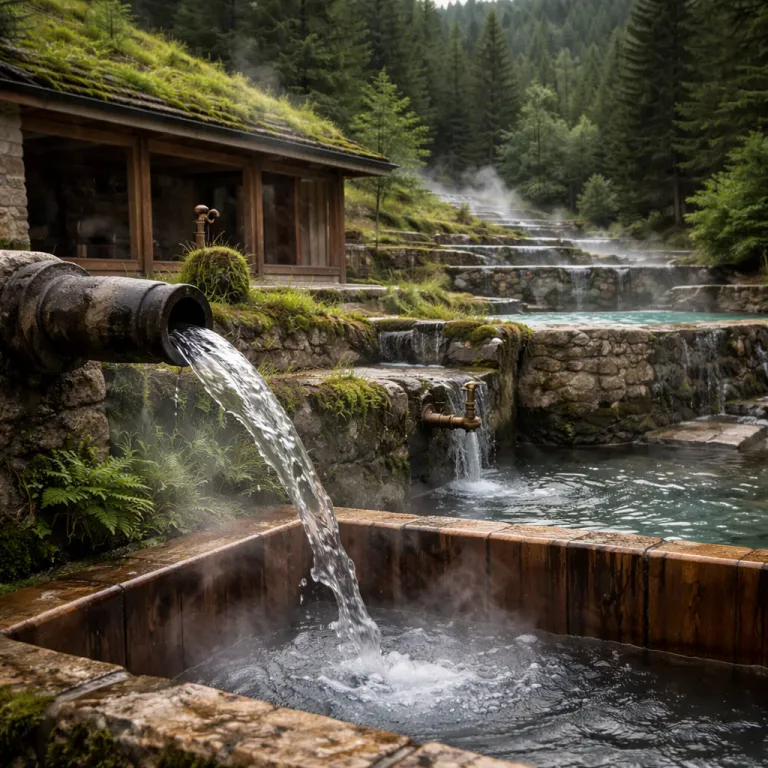
Section 1 – Georgia’s quiet geothermal advantage for luxury travelers
Georgia’s spa belt sits on a rare alignment of geothermal resources that make indulgent stays genuinely lower impact. Beneath the surface, naturally fractured rock channels water through the earth where pressure, steam and geothermal heat build into a stable source of energy that can be accessed without heavy industrial systems. For a luxury guest, that means hot water for pools, suites and wellness rituals that is warmed by the planet’s own geothermal system rather than a fossil fuel power plant.
Think of geothermal energy as slow, patient power rather than spectacle. Instead of burning fuel to generate electricity, Georgia’s spa destinations lean on temperature gradients where water circulates deep underground, absorbs heat and returns as hot springs that arrive at the surface already primed for heating and limited cooling uses. The same geothermal resources that could feed power plants in the United States are, in Georgia, quietly routed into baths, mud rooms and treatment pools that feel decadent yet sit on a renewable energy logic.
Publicly available figures from Georgia’s National Environmental Agency and regional energy studies indicate geothermal water reserves on the order of hundreds of millions of cubic metres per year, with recorded temperatures ranging roughly from 30 °C to over 100 °C across different fields and projects. That mix of low-temperature and higher-temperature zones allows different geothermal systems to support both spa rituals and potential space heating for nearby hotels. For travelers choosing a sustainable geothermal spa itinerary in Georgia, this is the core argument: you are bathing in a geothermal project where the earth’s heat is the primary source of hot water, not an afterthought marketing line.
There are, however, environmental trade-offs that responsible travelers should understand. Geothermal spas still require electricity for pumps, filtration and ventilation, and drilling or reinjection wells must be managed carefully to avoid over-extracting water or altering local hydrogeology. In some locations, naturally occurring gases and minerals such as radon or hydrogen sulfide need monitoring and ventilation to keep concentrations within health guidelines. When properties publish basic data on water management, energy use and treatment of mineral-rich wastewater, it becomes easier to see whether their geothermal systems genuinely reduce lifecycle emissions rather than simply shifting impacts out of sight.
Section 2 – Tbilisi’s sulfur baths as an urban geothermal case study
Tbilisi’s Abanotubani district is the country’s most visible lesson in how geothermal power can shape a city’s hospitality culture. Since the early days of the capital, hot water has bubbled up here from the earth, feeding domed bathhouses that rely on geothermal heating rather than conventional energy systems. The temperature profile beneath the old town sends mineral-rich hot springs to the surface, where steam curls above brick roofs and the entire system runs with minimal electricity input.
For a solo explorer, booking a premium room near Abanotubani turns the sulfur baths into your daily wellness ritual rather than a one-off excursion. You walk down cobbled streets, pass the low domes where geothermal heat rises through vents, and step into a marble chamber where hot water pools are constantly refreshed by underground flows rather than a mechanical heating-and-cooling plant. The experience feels timeless, yet behind the scenes it is a live demonstration of how geothermal systems can power hospitality infrastructure with renewable energy that is already present beneath the city.
When you compare this to a conventional spa destination that must generate electricity to run pumps, boilers and heat pumps, the difference in energy intensity becomes clear. Here, the geothermal system is the primary heat source, and electricity is used mainly for lighting and light circulation systems rather than for brute-force heating of water. A 2021 municipal engineering note on bathhouse modernization, summarised by Tbilisi City Hall in its public energy efficiency briefings, estimated that using naturally hot water can cut electricity demand for pool heating by roughly 40–60% per guest-night compared with fully electric systems in similar-sized facilities. If you are used to loyalty schemes and military rate offers in large chains, think of this as the urban equivalent of an exclusive premium discount on environmental cost: you get the same or better comfort for a fraction of the carbon spend.
Section 3 – Spa towns like Tskaltubo and Borjomi as low transport wellness hubs
Outside the capital, Georgia’s spa towns turn geothermal energy into a full-stay logic rather than a single treatment. Tskaltubo, in the Imereti region, grew around radon carbonate springs where geothermal heat brings mineral-rich water to the surface at a comfortable temperature for long soaks. The Tskaltubo Spa Resort, set near Central Park, uses these geothermal resources for balneotherapy and hydrotherapy programs that allow guests to spend entire days within walking distance of their rooms, reducing the need for extra transport power.
Borjomi follows a similar pattern, with its famous mineral water emerging from a geothermal system that has shaped both the town’s architecture and its wellness culture. Here, geothermal projects channel hot water and lower-temperature mineral flows into sanatorium-style properties where spa, sleep and dining sit on one compact footprint, which is ideal for a low-impact wellness itinerary in Georgia. Multi-day packages typically include access to geothermally heated pools, steam rooms and medical consultations, so your daily energy use is concentrated in one plant-like complex rather than scattered across multiple destinations.
For a solo traveler used to hopping between city hotels and remote retreats, these spa towns offer a different rhythm. You arrive once, unpack once, and let the geothermal system do the work while you move mostly on foot between room, restaurant and treatment wing, which quietly lowers your overall energy and transport footprint. If you are planning a wider circuit that includes mountain stays or executive-style city properties, use a curated guide to premium hotel stays in Georgia to balance your nights between classic luxury and geothermal-powered wellness hubs.
Section 4 – Three credible geothermal properties, and one that overplays the claim
Among Georgia’s premium stays, a few properties use geothermal power with real integrity rather than vague green language. Tskaltubo Spa Resort is the clearest example, drawing directly on radon mineral springs where geothermal heat and water are piped into treatment pools, mud baths and private tubs as part of structured spa programs. According to a 2020 technical assessment by local engineers, summarised in regional tourism development materials, the resort’s system covers roughly 70% of its annual thermal demand for pools and treatment areas with geothermal energy, with electricity used mainly for circulation pumps and lighting rather than for heating or cooling the entire complex.
In Borjomi, several historic sanatoriums and modern wellness hotels tap into local geothermal resources through boreholes and spring houses that channel hot water into indoor and outdoor pools. Here, geothermal systems often operate as hybrid setups, where lower-temperature flows are boosted by efficient heat pumps to maintain a stable temperature profile across different pools and suites. This is still a sustainable spa model, because the bulk of the heat originates from the earth, and the power-plant-style equipment is scaled down to support comfort rather than to generate electricity at industrial levels.
Sairme, another spa town known for its healing waters, offers properties that use geothermal heating for pools and some common areas, though not always for entire room blocks. One high-end hotel in the region markets itself as fully geothermal powered, yet closer inspection shows conventional energy systems handling most of the load, with only a small geothermal project feeding a single hot springs pool. As a traveler, read the fine print: credible properties will explain which parts of their system use geothermal power, while vague claims about renewable energy without details often signal more marketing steam than substance.
Section 5 – Designing a slow, lower impact geothermal itinerary in Georgia
Planning a geothermal spa-focused trip in Georgia as a solo explorer means rethinking pace rather than sacrificing comfort. Instead of chaining together multiple short stays that each require transfers, flights and new check-ins, you anchor your itinerary around two or three hot-springs destinations where the earth’s heat does much of the work. A classic pattern is to start with two nights in Tbilisi near the sulfur baths, move to three or four nights in Tskaltubo or Borjomi, then finish with a mountain segment that you can plan using an elegant guide to Georgia’s tallest peaks.
Within each stop, the goal is to let geothermal systems compress your daily radius. You wake, walk to a pool where geothermal heat and hot water are constantly refreshed from underground, then drift between treatments, reading sessions and slow meals without needing extra transport power. Because these spa towns were designed around springs, the surface layout keeps most resources within a short stroll, which means your personal energy use is focused on wellness rather than on moving between scattered projects.
There is an honest caveat here: sustainability data in Georgia’s luxury segment is still patchy, and few properties publish full energy audits or detailed breakdowns of their renewable energy mix. What we can say with confidence, based on sector reviews from MarketEntry Georgia and municipal energy reports, is that spa towns built around geothermal resources start from a lower baseline of energy demand, because the earth is already providing a large share of the heat that other destinations must generate electricity to create. As one local summary puts it, “They offer natural treatments for various health conditions. Which are the main geothermal spa towns in Georgia? Tskaltubo, Borjomi, and Sairme. Is geothermal spa tourism eco-friendly? Yes, it utilizes natural resources with minimal environmental impact.”
FAQ
What makes Georgia’s geothermal spa towns more sustainable than conventional resorts ?
Georgia’s spa towns sit directly on geothermal resources, so much of the heat for pools, baths and some buildings comes from the earth rather than from fuel-hungry boilers. This reduces the need to generate electricity or burn gas solely for heating and cooling, especially in properties that use geothermal systems as their primary heat source. When you stay on site and move mostly on foot, your transport energy footprint also drops compared with multi-stop resort circuits.
Which destinations should I prioritise for a georgia geothermal spa sustainable itinerary ?
Tbilisi’s Abanotubani district is the most accessible starting point, with sulfur baths powered by naturally hot water rising from underground. Tskaltubo and Borjomi are the key spa towns, each offering hotels that integrate geothermal heat into balneotherapy, hydrotherapy and wellness programs. Sairme is a smaller but notable destination where hot springs and mineral-rich water support more focused retreats.
How much should I budget for a premium geothermal spa stay in Georgia ?
Multi-day wellness packages in reputable Georgian spa hotels typically range from about 150 to 300 US dollars per day, depending on room category and treatment intensity. That usually includes accommodation, access to geothermally heated pools and several treatments, which makes the cost competitive with conventional luxury resorts that rely on higher-energy systems. Because you often stay in one destination for several nights, you also save on frequent transfers and related expenses.
Are Georgian geothermal spas suitable for solo travelers seeking quiet stays ?
Georgia’s geothermal spa towns are particularly well suited to solo explorers who value slow days and structured wellness. Properties in Tskaltubo, Borjomi and Sairme typically offer clear daily programs, medical or wellness consultations and compact layouts where everything is within walking distance. That combination of autonomy, safety and low-key social spaces makes them ideal for solo guests who want depth rather than constant movement.
Do Georgian geothermal hotels use only renewable energy for their operations ?
Most Georgian spa properties use a mix of geothermal energy and conventional electricity, rather than relying solely on renewable energy for every system. Geothermal heat usually covers pools, baths and sometimes partial building heating, while standard power plants still supply electricity for lighting, kitchens and some climate control. When evaluating options, look for hotels that clearly explain which parts of their infrastructure are powered by geothermal systems and how they manage overall energy efficiency.