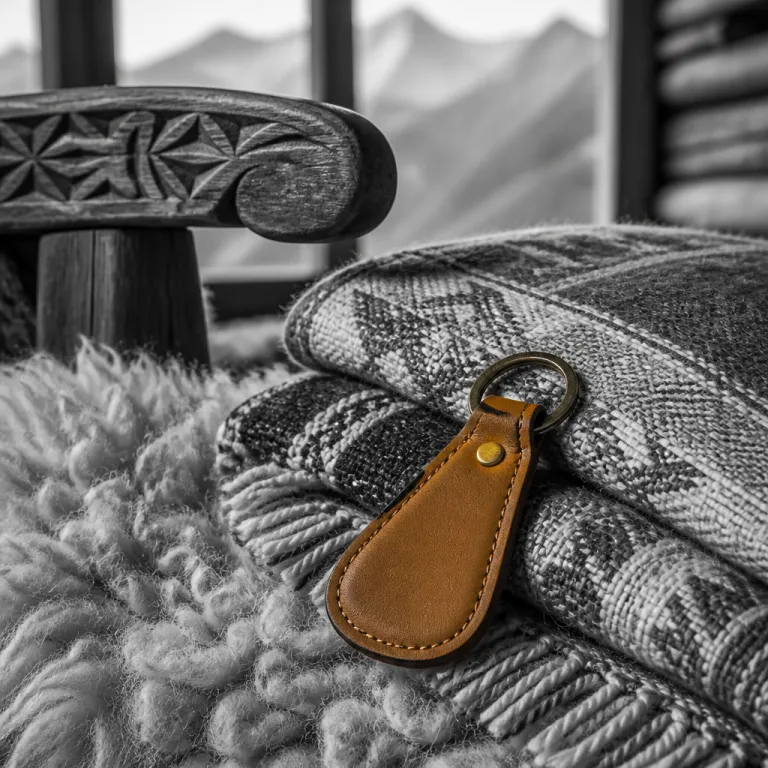
Why Tusheti belongs on a luxury traveller’s map of Georgia
Tusheti is a historic high mountain region in northeastern Georgia, revered for its raw landscapes and deep cultural roots. This remote corner of Tusheti Georgia attracts people who value silence, authenticity, and carefully curated comfort rather than conventional resort polish. For a luxury or premium stay, it is a good idea to understand how remoteness shapes every aspect of your trip.
The only road to Tusheti, the dramatic track over Abano Pass, is usually open from June to September and demands confident driving skills. The journey from Kvemo Alvani to Omalo can take five to seven hours, and driving to Tusheti requires a high clearance 4x4 with an experienced driver behind the wheel. Many premium travellers arrange transport through their guesthouse so that the same driver also helps with local transfers once in the mountains.
Because of this challenging pass, every day in Tusheti feels like a deliberate choice rather than a spontaneous detour. The region covers roughly 969 km², with elevation rising to more than 4 000 meters, so weather changes quickly and luxury travellers must plan with precision. When you visit Georgia for a premium mountain escape, Tusheti offers a rare mix of high mountain drama, Tushetian hospitality, and low visitor numbers.
Omalo is the main settlement and the practical base for most people who visit Tusheti. The villages of lower Omalo and upper Omalo sit on a wide grassy plateau, framed by medieval stone towers and the vast Tusheti National Park. From here, you can reach remote Tushetian villages such as Dartlo, Shenako, and Diklo, each with its own character and level of comfort.
Luxury in Tusheti does not mean marble lobbies and uniformed staff; it means warm rooms, attentive hosts, and excellent local food served at the right time after a demanding hike. Many guesthouses in Omalo and the surrounding villages have upgraded rooms with private bathrooms, high quality bedding, and terraces facing the high mountain ridges. One Omalo host summarised it simply: “We cannot offer a spa, but we can offer hot water, silence, and food from our own garden.” For travellers used to five star city hotels in Georgia, this style of premium guesthouse living can feel surprisingly indulgent and emotionally rich.
Choosing between Omalo, remote villages, and the wild edges of Tusheti National Park
When you plan to visit Tusheti, your first strategic choice is where to base yourself. Staying in Omalo, especially in lower Omalo, gives you easier access to services, a visitor centre, and a wider selection of guesthouses. Nights in upper Omalo feel more secluded, with sweeping views over the region and quick access to hiking trails that start almost at your door.
Remote Tushetian villages such as Dartlo, Chesho, and Parsma offer a different rhythm, where people still follow traditional sheep herding cycles. In these villages, guesthouse options are fewer but often very characterful, with stone architecture and wooden balconies overlooking the river. For travellers who value silence and star filled skies, one or two nights in these remote villages can be a very good idea.
Some premium travellers choose a split stay, combining two nights in Omalo with two or three nights in smaller villages. This approach allows you to enjoy the relative comfort of Omalo guesthouses, including better connectivity and more varied menus, while still reaching the wild heart of Tusheti National Park. It also spreads your spending across the region, supporting Tushetian families in several villages.
Luxury focused travellers often ask whether the road to Tusheti is worth the effort for only one day in the mountains. For most, a single day trip from Kvemo Alvani would be rushed and would not justify the stress of driving along Abano Pass. A minimum of three nights in Tusheti Georgia allows time for hiking, horse riding, and unhurried meals in your chosen guesthouse.
For travellers who appreciate refined food experiences, it is worth pairing a Tusheti journey with a stay in one of Georgia’s gastronomic hotels elsewhere in the country. You can explore curated culinary stays through a specialist guide to hotel properties in Georgia where the kitchen defines the stay, then contrast that comfort with Tusheti’s honest, seasonal cooking. This contrast between polished city luxury and high mountain simplicity often becomes the emotional highlight of a longer visit Georgia itinerary.
In the wider Caucasus, some high end properties market themselves as resorts, yet Tusheti’s ethos is different and more restrained. If you are curious about why many Georgian hosts resist the resort label and prefer more grounded hospitality, a thoughtful perspective on Caucasus hospitality that refuses the word resort can help frame your expectations. Understanding this philosophy will make the understated luxury of Tushetian guesthouses feel even more meaningful.
What luxury really means in Tusheti’s guesthouses
In Tusheti, luxury is measured in warmth, reliability, and thoughtful details rather than in opulent décor. Many guesthouses in Omalo and the surrounding villages now offer en suite rooms, quality mattresses, and hot showers, which feel exceptionally good after a long day of hiking. The best guesthouse hosts understand that people arriving from the road over Abano Pass need both rest and reassurance.
Premium guesthouses typically include full board, with generous breakfasts, packed lunches for the trail, and multi course dinners. Prices are often calculated per person per night, including meals, which simplifies planning for couples, families, or small groups. When you book, ask clearly what is included, whether transfers within the region are possible, and if horse riding or guided hiking can be arranged through the same property.
For travellers who value privacy, it is worth requesting corner rooms or upper floor rooms in Omalo guesthouses, especially in upper Omalo where views are widest. In lower Omalo, some properties offer small separate cabins that feel more like private chalets while still being part of a family run guesthouse compound. These options suit people who want a quiet retreat after social dinners in the main house.
Remote Tushetian villages usually have simpler infrastructure, but standards are rising as eco tourism grows. Some guesthouses now provide solar heated water, improved insulation, and carefully curated local wine lists that showcase Kakheti alongside Tushetian cheese and lamb dishes. When you visit Tusheti with a focus on comfort, choose one or two of these upgraded properties rather than trying to sample every village in a single short stay.
Wellness minded travellers sometimes combine Tusheti’s bracing climate with a restorative stop in Tbilisi before or after the trip. For a deeper understanding of how Georgians approach bathing rituals and private relaxation spaces, you can consult a guide to Tbilisi sulfur baths and the real private rooms locals book. This context helps you appreciate how a hot shower in a high mountain guesthouse can feel as restorative as a spa treatment.
Local authorities and conservation partners emphasise that Tusheti protected areas depend on responsible tourism. Growing interest in eco tourism has encouraged guesthouses to reduce waste, source food locally, and respect traditional building styles that blend into the landscape. When you choose where to stay, prioritise properties that clearly support Tusheti National Park guidelines and work closely with the visitor centre in Omalo.
Designing a high mountain itinerary: hiking, horse riding, and cultural depth
A well planned luxury trip to Tusheti balances physical activity with slow cultural immersion. Hiking is the signature activity, with trails linking Omalo to nearby villages and longer routes that cross high mountain passes into neighbouring valleys. Many people choose one challenging hiking day in Tusheti followed by a gentler day focused on village life.
Shorter hikes from lower Omalo lead to the medieval towers above upper Omalo, offering wide views over the region and the road to Tusheti snaking up from Abano Pass. From Omalo, you can also walk to Shenako and Diklo, where Tushetian stone houses and churches sit against the border ridges. These routes are suitable for reasonably fit travellers and can be combined with vehicle support arranged through your guesthouse.
Horse riding is another refined way to experience Tusheti’s landscapes without the strain of continuous steep hiking. Many guesthouses, including those in remote Tushetian villages, can arrange half day or full day horse riding excursions with local guides. For luxury travellers, it is a good idea to request smaller private groups, well maintained saddles, and clear safety briefings before setting off.
Cultural experiences deepen the sense of place that makes Tusheti Georgia so compelling. Traditional festivals, when they coincide with your visit, showcase music, dance, and rituals that reflect centuries of high mountain life. Even outside festival periods, conversations with Tushetians about sheep herding, cheese making, and seasonal migration patterns can be as memorable as any hike.
Because facilities are limited, families often ask whether Tusheti is suitable for children or older relatives. Is Tusheti suitable for family travel? Yes, but prepare for limited facilities and rugged terrain. For multi generational trips, choose Omalo based guesthouses with easier access, avoid the most exposed hiking routes, and plan one full rest day in Tusheti to enjoy the plateau without long drives.
Eco conscious travellers will appreciate that Tusheti protected landscapes are managed through a partnership between the Georgian government, local communities, and international conservation groups. Hiking and horse riding routes are gradually being marked more clearly to reduce erosion and protect fragile alpine meadows. By following established paths and respecting local guidance, you help sustain both biodiversity and the Tushetian way of life.
Seasonality, access, and the realities of the Abano Pass road
Access defines Tusheti more than any other factor, and the Abano Pass is both a gateway and a filter. The pass usually opens in early summer and closes by late September, though exact dates depend on snow and landslides. Outside this window, the region is effectively cut off by road, and only a few Tushetians remain in the villages.
For most luxury travellers, late July to early September offers the best balance of stable weather, open trails, and operational guesthouses. Earlier in the season, the road to Tusheti can be muddy and unstable, while later in September nights become very cold at higher elevations. When you visit Tusheti, build flexibility into your schedule in case heavy rain or rockfall temporarily blocks the pass.
Driving to Tusheti is not recommended for inexperienced mountain drivers, even if you are confident on regular Georgian roads. The route from Kvemo Alvani to Omalo climbs more than 2 000 meters, with narrow sections, steep drop offs, and occasional water crossings. Hiring a professional driver with a well maintained 4x4 is a good idea for safety and peace of mind.
Some travellers are tempted to edit their itinerary to squeeze in a rushed one day Tusheti excursion. In practice, the long driving time, potential delays on the pass, and the need to acclimatise to altitude make such a plan unwise. A more thoughtful approach is to allocate at least three nights in the region, allowing one day for arrival, one or two days for hiking or horse riding, and a final day for a slow return to the lowlands.
Weather can change quickly in the high mountain environment, even in peak season. Pack layers, waterproof clothing, and sturdy footwear, and confirm with your guesthouse whether they can provide extra blankets or heating on colder nights. Many premium properties in Omalo now offer improved insulation and heating options, but remote Tushetian villages may still rely on traditional stoves.
Transport logistics also affect how you structure the rest of your visit Georgia journey. Some travellers pair Tusheti with wine focused stays in Kakheti, while others continue towards the Greater Caucasus around Kazbegi for a different style of mountain luxury. Whatever your route, allow a buffer day after leaving Tusheti in case the Abano Pass demands slower driving than expected.
Hidden gem villages and how to match them with your travel style
Beyond Omalo, a constellation of smaller Tushetian villages offers distinct atmospheres and levels of comfort. Dartlo, with its restored stone houses and towers, appeals to travellers who enjoy architectural heritage and gentle riverside walks. Guesthouses here range from simple to pleasantly refined, and it is a good idea to book early for peak season.
Chesho and Parsma sit further along the valley, feeling more remote and less visited. People who choose to stay in these villages often prioritise solitude, long hiking days, and close contact with Tushetian pastoral life. Guesthouses are fewer, but hosts are usually deeply rooted in the region and can share detailed knowledge about seasonal movements and local customs.
Shenako and Diklo, reached by a different road from Omalo, offer wide views towards the border and a quieter, contemplative mood. The churches and traditional houses here create a strong sense of continuity with the past, which many culturally curious travellers find deeply moving. Staying one night in Shenako or Diklo, combined with two or three nights in Omalo, creates a balanced itinerary that touches several corners of the region.
When you edit your travel plan, think carefully about how many times you want to change guesthouse during your visit to Tusheti. Each move involves arranging transport, adjusting to a new rhythm, and sometimes dealing with more basic facilities in remote Tushetian villages. For a premium experience, it is often better to choose two bases and explore surrounding villages on day trips rather than packing every night.
Food is another way to differentiate between villages and guesthouses. Some Omalo properties, including those in lower Omalo, experiment with modern presentations of traditional dishes, while remote villages may focus on hearty, simple meals built around lamb, potatoes, and local cheese. If gastronomy is central to your visit Georgia, ask in advance about menus, dietary flexibility, and whether your hosts can arrange special tasting dinners.
As eco tourism grows, more guesthouses are working closely with Tusheti National Park staff and the visitor centre to align with conservation goals. Growing interest in eco tourism, increased conservation efforts, and a revival of traditional crafts are strengthening the economic base for Tushetian communities while supporting Tusheti National Park objectives.
Practical booking strategies for premium stays in Tusheti
Securing the right guesthouse in Tusheti requires more planning than booking a city hotel in Georgia. Many properties are family run, with limited online presence and variable connectivity, so response times can be slower. Start enquiries several months before your intended September or peak summer dates, especially if you want multiple rooms in the same house.
When you contact guesthouses in Omalo or other Tushetian villages, ask detailed questions about room types, bathroom arrangements, heating, and what is included in the per person nightly rate. Clarify whether the price covers all meals, transfers from Kvemo Alvani, and guided activities such as hiking or horse riding. This level of detail helps avoid misunderstandings and ensures that the premium you pay translates into tangible comfort.
For travellers who prefer a curated approach, working with a specialist agency focused on Tusheti Georgia and wider Caucasus travel can be a good idea. Such partners often pre inspect guesthouses, verify safety standards for driving to Tusheti, and maintain up to date information about the condition of the Abano Pass. They can also help you edit your broader visit Georgia itinerary so that Tusheti fits smoothly between other regions.
Payment methods in Tusheti remain relatively simple, with cash still preferred in many remote villages. Some Omalo guesthouses now accept bank transfers or card payments via mobile terminals, but connectivity can be unreliable. Carry enough cash in Georgian lari for your planned stay, plus a margin for extra services or unexpected delays.
Respect for Tushetian culture is an essential part of any premium experience in the region. Dress modestly in villages, ask before photographing people or religious sites, and follow local guidance about sacred places and seasonal rituals. These gestures of respect reinforce the trust between visitors and hosts that underpins sustainable, high quality tourism in this protected region.
Finally, remember that Tusheti protected landscapes are not a backdrop for unchecked development but a living home for Tushetians. The region’s long history, from Bronze Age settlements to modern conservation efforts, shows how resilience and adaptation can coexist with hospitality. By choosing your guesthouse carefully, travelling outside the most crowded weeks, and supporting local initiatives, you help ensure that luxury and authenticity remain in balance for future travellers.
Key figures for planning a refined stay in Tusheti
- Tusheti covers approximately 969 km², making it a relatively compact yet diverse high mountain region compared with other Georgian protected areas (source: Wikipedia, regional data).
- The elevation range in Tusheti reaches up to about 4 490 meters, which explains the rapid weather changes and the need for layered clothing even in mid summer (source: Wikipedia, topographic records).
- Access is via the Abano Pass, open June to September, which concentrates the entire visitor season into roughly four months and increases pressure on guesthouse availability during peak weeks.
- Growing interest in eco tourism has led to increased conservation efforts and a revival of traditional crafts, strengthening the economic base for Tushetian communities while supporting Tusheti National Park objectives.
- Partnerships between the Georgian government, local communities, and international conservation groups aim to sustain local traditions, develop sustainable tourism, and conserve biodiversity, aligning visitor spending with long term regional resilience.
Frequently asked questions about luxury and premium stays in Tusheti
How do I get to Tusheti for a premium stay ?
Access is via the Abano Pass, open June to September. Most luxury travellers hire an experienced driver with a 4x4 from Kvemo Alvani to Omalo, as driving to Tusheti independently can be risky for those unfamiliar with high mountain roads. It is wise to book both transport and guesthouse well in advance for peak season.
What activities are available in Tusheti beyond basic hiking ?
What activities are available in Tusheti? Hiking, cultural tours, and eco-tourism. In addition, many guesthouses can arrange horse riding, village to village walks, and visits to medieval towers or local craft workshops. Premium travellers often combine one demanding hiking day in Tusheti with gentler cultural days to balance exertion and rest.
Is Tusheti suitable for family or multi generational travel ?
Is Tusheti suitable for family travel? Yes, but prepare for limited facilities and rugged terrain. Families should base themselves in Omalo, choose guesthouses with reliable hot water and heating, and avoid the most exposed trails. Planning extra rest time and travelling with a professional driver over the Abano Pass makes the experience more comfortable for all ages.
How far in advance should I book guesthouses in Tusheti ?
For stays in July, August, or early September, start contacting guesthouses at least several months ahead, especially if you need multiple rooms or prefer upper Omalo locations. Many properties have limited capacity and short operating seasons, so last minute availability is rare. Early booking also allows you to coordinate transport, guides, and any special dietary or comfort requirements.
Can I expect reliable luxury standards in such a remote region ?
Luxury in Tusheti is defined by warmth, cleanliness, and attentive hosting rather than by urban five star standards. In Omalo and some larger Tushetian villages, you can now find guesthouses with private bathrooms, quality bedding, and refined home cooked meals. Remote villages may be simpler, but careful selection and clear communication with hosts can still deliver a premium, deeply memorable experience.
