From day trip to stay: why Kakheti wine country demands more time
Most travelers first encounter Kakheti as a quick day trip from Tbilisi. The car glides past the Alazani Valley, there is a single winery visit, a hurried tasting, then the same road back before night. For couples serious about exploring Kakheti wine country in eastern Georgia, that rhythm misses the point entirely.
Staying overnight in Kakheti changes how you read both the landscape and the wines. Dawn over the Alazani Valley feels different when you wake inside a working winery hotel, hearing pumps, clinking glass and the low murmur of a cellar team. A one-day Kakheti excursion becomes a frame of reference, while a two or three day stay lets you understand why this wine region has shaped Georgian culture for millennia.
The difference between a wine tour and a wine stay is intimacy. On a standard tour from Tbilisi you might visit two wineries, taste eight wines and pair them with simple food before returning to the city. When you sleep on site, the same wineries become neighbours, the wine cellar becomes your evening lounge and the qvevri courtyard your morning walk.
According to the Georgian National Tourism Administration, food and wine experiences now account for a growing share of visitor spending, and Kakheti is where that spending lingers. While precise figures vary by year, GNTA reporting consistently highlights Kakheti as a core region for culinary and wine tourism. Couples who book a hotel in the area typically add extra tastings, a second guided cellar visit and at least one slow lunch focused on traditional Georgian food and wine pairings. The result is not just more wines sampled, but a deeper sense of place.
Think of Kakheti as wine country rather than a single region to tick off. Telavi, Sighnaghi and the villages between them each host wineries, guest house options and larger hotels with very different moods. Planning a Kakheti wine holiday around these micro areas, rather than a single day trip, is the first step toward a more rewarding itinerary.
Sleeping beside the qvevri: when the cellar becomes the amenity
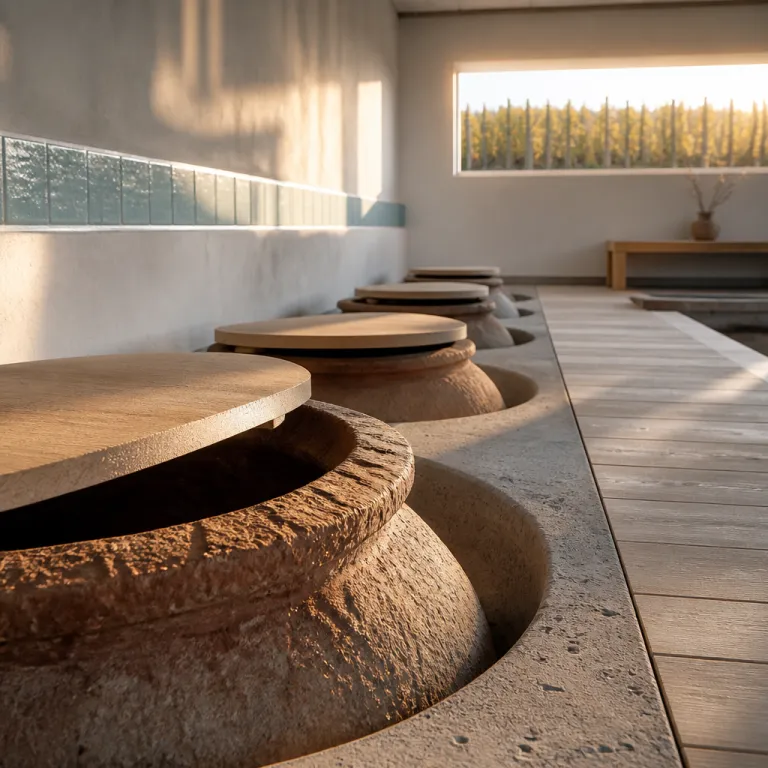
In Georgia, a qvevri is more than a clay vessel for fermenting wine. It is a piece of architecture, sunk into the earth, that shapes how a winery hotel feels and sounds. When properties in Kakheti design rooms and shared spaces around these cellars, the qvevri becomes the defining amenity, not a museum exhibit.
Recent hospitality innovation in Kakheti has focused on integrating qvevri cellars into hotel design. Some hotels place their wine cellar directly beneath the restaurant, so guests can move from a long dinner of traditional Georgian food to a late night tasting among the amphorae. Others, such as vineyard estates near Telavi, create glazed walkways where you look down into working qvevri while moving between suites.
Properties like Hotel Qvevrebi in Kakheti push the idea further by shaping entire accommodations around the qvevri form. Here, the qvevri is not just where Georgian wine ferments; it is the silhouette of your room, the curve of the ceiling and the story the staff tell during private tours. As one manager explains, “We wanted guests to feel as if they are sleeping inside the vessel that holds Georgia’s wine history.” The hotel’s team often recommends that guests book at least one extra night to fully experience the cellar workshops and extended tastings.
Giuaani Winery and Château Mosmieri, both in the broader Kakheti region, show another model. They operate as working wineries first, with hotel rooms and guest house style suites threaded through vineyards and production buildings. A typical visit here might end with a guided walk through the qvevri room, followed by a comparative tasting of Kakhetian wine from different plots, all while the cellar crew continues their work around you.
For couples planning a wine-focused stay in Kakheti, the key question is simple. Does the hotel treat its qvevri cellar as a living space you can visit several times a day, or as a one-off stop on a scripted tour? The most memorable wine country stays blur the line, letting you drift between pool, room, restaurant and cellar as naturally as you would move through your own home. For a deeper look at how winemakers host overnight guests, see this guide to sleeping in Kakheti among Georgia’s vineyards.
Tsinandali, Lopota and the new template for Kakheti wine stays
Two flagship properties now set the tone for high-end wine stays in Kakheti. Tsinandali Estate, part of the Radisson Collection, anchors its hospitality around a historic wine cellar and landscaped gardens. Lopota Lake Resort and Spa, further east in Kakheti, builds its appeal around water, wellness and proximity to wineries in the Alazani Valley.
Tsinandali’s model is explicit; wine, music and accommodation are treated as a single cultural experience. The estate’s qvevri cellar and classical marani are used not only for tastings, but for immersive dinners where rare Kakhetian wines are paired with live performances. This approach reflects a wider trend in Georgia, where gastronomy and Georgian wine are increasingly positioned as cultural heritage rather than simple food and beverage.
Lopota Lake Resort and Spa has expanded its wellness complex with thermal pools and new wine-adjacent experiences. Guests can spend the day moving between lakeside walks, spa treatments and curated tours to nearby wineries, returning in the evening for structured tastings that highlight both Kakheti wine and other Georgian wines from western regions. For couples, the combination of spa and cellar access makes a compelling case for a three day stay in the Kakheti region rather than a single night.
These properties also show how qvevri cellars can function as architectural anchors. At Tsinandali, the historic marani sits at the heart of the estate, with rooms, gardens and event spaces radiating outward. At Lopota, the wine cellar is positioned as a social hub where guests gather before or after dinner, turning tasting into a daily ritual rather than a scheduled tour.
When you compare different Kakheti wine hotels, use these estates as reference points. Ask whether a property offers integrated tours, serious food and wine pairing menus and access to working cellars, or whether it simply arranges transfers to nearby wineries. For a broader view of where these properties sit within the national landscape, consult this curated overview of luxury hotels in Georgia by region and mood.
Choosing the right Kakheti wine property for a romantic stay
Couples planning a romantic wine escape in Kakheti often start with a simple question. Should we base ourselves near Telavi, Sighnaghi or deeper in the countryside of the Alazani Valley? The answer depends on how you like to balance wine, food and downtime.
Telavi works well if you want easy access to multiple wineries and structured wine tours. The town sits near several of the best wineries in the region, and many hotels here can arrange a private tour that includes both large estates and smaller family cellars. Even if you stay in a central hotel, you can still spend each day Kakheti style, moving between tastings, long lunches and short drives through vineyard-lined roads.
Sighnaghi, perched above the Alazani Valley, offers a different mood. Its cobbled streets, views and intimate guest house options suit couples who want to walk to dinner, then take a short taxi to nearby wineries the next day. Here, a tasting might be followed by a stroll along the town walls rather than a drive back to Tbilisi, and the best hotels lean into that slow rhythm.
For travelers who care most about immersion in wine country, rural properties such as Château Mosmieri or estates near Babaneuris Marani offer compelling alternatives. You wake up among vines, spend the day visiting neighbouring wineries and return to a hotel where the cellar is part of the evening, not a scheduled event. Many of these places also offer qvevri workshops, where, as one local explanation puts it, “a traditional Georgian clay vessel used for fermenting and storing wine.”
Whichever area you choose, look beyond the tasting room. Ask how many wines are produced on site, whether the hotel runs its own tours, and how seriously the kitchen treats traditional Georgian food and wine pairings. For more context on how Georgia’s best properties frame these experiences, the editorial guide to Caucasus hospitality that goes beyond the resort label offers useful benchmarks.
Beyond the glass: structuring multi day Kakheti wine tours from Tbilisi
Designing a multi day Kakheti wine trip from a Tbilisi base requires a shift in mindset. Instead of stacking as many wineries as possible into a single day trip, think in arcs of two or three days. Each day should have one anchor winery, one secondary tasting and enough unscheduled time to let the region breathe.
A classic three day Kakheti itinerary might start with a direct drive from Tbilisi to Sighnaghi, stopping at a small winery for an introductory tasting and lunch. The road journey usually takes around two hours, depending on traffic and roadworks. The second day could focus on the Alazani Valley, with a morning visit to a producer such as Pheasant’s Tears for an in-depth look at qvevri techniques, followed by an afternoon at a larger estate that offers structured tastings and cellar tours. The final day might bring you toward Telavi, with a last tasting near Babaneuris Marani before the roughly two-hour return to the city.
Within this framework, your choice of hotel or guest house shapes the experience as much as the wineries themselves. A property with its own cellar and on-site wines allows for informal evening tastings, turning each night into a gentle extension of the day’s tours. In contrast, a hotel without a cellar may rely more on restaurant lists and transfers, which can feel less connected to the surrounding wine country.
Food should be treated as a core part of any Kakheti wine tour, not an afterthought. Traditional Georgian dishes such as khachapuri, mtsvadi and pkhali interact differently with amber, red and white Georgian wines, and the best hotels train their teams to explain these pairings. When a property talks confidently about how its kitchen works with local wineries, you can trust that your wine-focused stay in Kakheti will feel coherent from breakfast to the final toast.
Seasonality matters as well. Autumn harvest weeks are busiest and often need to be booked months ahead, while late spring and early summer offer greener landscapes and slightly quieter cellars. Finally, remember that Georgia’s wine region is not static. Rising interest in experiential travel and the recognition of the country’s qvevri winemaking tradition as UNESCO Intangible Cultural Heritage in 2013 continue to push hotels toward deeper cellar-based programming. Choosing stays where the qvevri, the wine cellar and the surrounding vineyards are central to the design ensures that your time in Kakheti feels anchored in the place itself, not just in the glass.
FAQ
What is a qvevri and why does it matter for my stay?
A qvevri is a large clay vessel buried underground, used in Georgia for fermenting and storing wine. In Kakheti, many hotels now integrate qvevri cellars into their architecture, so guests can see and sometimes participate in the winemaking process. Choosing a property with an active qvevri cellar adds a tangible connection to the region’s 8,000 year wine culture.
Where can I stay in a hotel focused on qvevri wine in Kakheti?
The highest concentration of qvevri-focused hotels is in the Kakheti region of eastern Georgia. Areas around Telavi, Sighnaghi and the Alazani Valley host properties such as Hotel Qvevrebi, Giuaani Winery and Château Mosmieri, which all build their hospitality around working cellars. These stays allow you to combine accommodation, wine tours and tastings without long daily transfers.
Are qvevri wine tastings and workshops widely available?
Yes, many Kakheti hotels and wineries now offer structured qvevri wine tastings and hands-on workshops. Guests can often taste wines directly from the vessels, compare different grape varieties and learn about traditional Georgian techniques. It is wise to book these experiences in advance, especially during peak travel periods.
How many days should I plan for Kakheti if I care about wine?
For travelers focused on wine, a minimum of two nights in Kakheti is recommended. This allows time for at least three wineries, unhurried meals and some downtime at your hotel or guest house. A three night stay offers a better balance between cellar visits, food experiences and simple enjoyment of the landscape.
Can I still enjoy Kakheti if I stay in Tbilisi and only do day trips?
Day trips from Tbilisi to Kakheti are possible and can include one or two wineries plus a short visit to a town such as Sighnaghi. However, you will miss the early morning and late evening atmosphere of wine country, when cellars are most active and hotels feel most intimate. For couples seeking a romantic and immersive experience, at least one overnight stay in the region is strongly preferable.