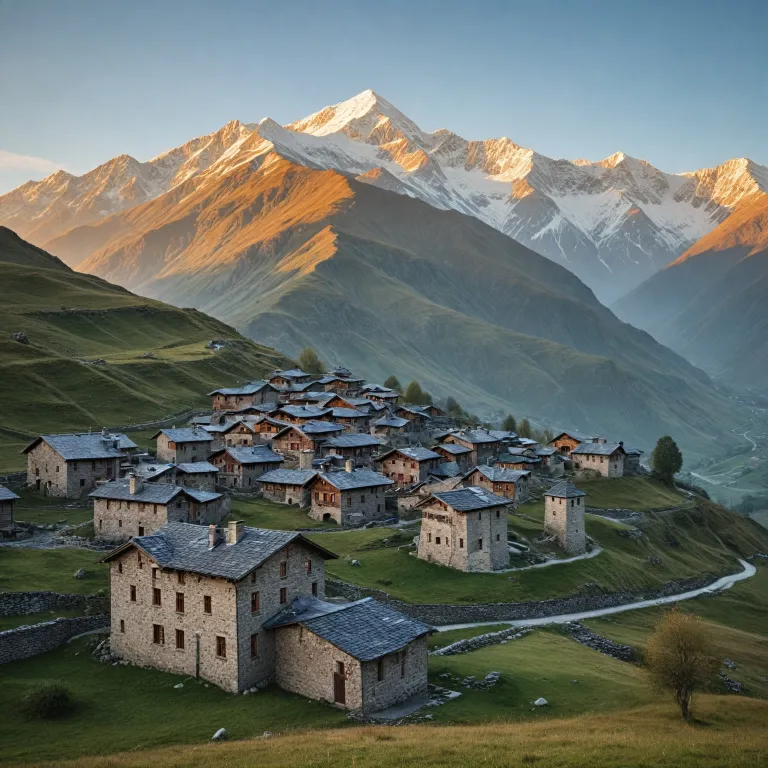
Luxury perspectives on ushguli gruzija for discerning travelers
Ushguli Gruzija evokes a rare blend of raw mountain drama and refined travel expectations. In this remote corner of Georgia, travelers seeking premium stays must balance comfort with the realities of a high altitude village that sits around 2100 metres above sea level. Understanding this tension is essential if you want a good hotel experience without losing the authentic character of the Svaneti region.
The community of Ushguli is actually several small villages scattered along a dramatic river valley carved by the Enguri River. These settlements form part of Upper Svaneti, a cultural landscape recognized by UNESCO for its medieval Svan towers and continuous habitation in the Caucasus Mountains. This heritage status shapes how any luxury or premium accommodation can operate, because preservation rules limit large scale development in such sensitive areas.
For travelers comparing ushguli gruzija with a classic city break in Tbilisi or a coastal escape near the Black Sea, expectations must be recalibrated. You will not find a conventional five star ski resort complex here, yet you can still enjoy elevated comfort, attentive service, and curated experiences. The most rewarding stays focus on warm Georgian hospitality, high quality local cuisine, and thoughtful guidance for hiking or cultural visits in the surrounding mountains.
Many guests pair a night or two in Ushguli with time in Mestia, the main city of the Svaneti region. This combination allows you to enjoy a wider choice of premium hotels in Mestia while still dedicating at least one Mestia day to the legendary Mestia Ushguli route. Planning your time in this way helps you manage the long road that takes hours while still appreciating Georgia highest inhabited village environment.
Planning premium stays between tbilisi, mestia and ushguli
Designing an elegant itinerary around ushguli gruzija usually starts in Tbilisi, the capital city of Georgia. Many travelers spend time in a premium hotel in Tbilisi first, adjusting to the country, exploring Georgian cuisine, and organizing private transfers or flights toward the Svaneti region. From there, you can connect to Mestia, which serves as the main gateway for the mountains and for the road to Ushguli.
Mestia offers the closest thing to a classic ski resort hub in this part of the Caucasus Mountains, with more structured services and a wider range of premium rooms. Travelers who appreciate refined suites and urban style amenities often review guides to elegant hotels with suites to benchmark what they can reasonably expect in a mountain city. While the Svaneti region cannot replicate a large metropolitan standard, the best properties still provide excellent bedding, reliable hot water, and attentive staff.
The road from Mestia to the village cluster of Ushguli takes hours, especially outside the driest months. It follows the Enguri River through a narrow river valley, climbing gradually in metres above sea level until the landscape opens toward the Shkhara Glacier. Because access can be challenging, it is wise to spend night in Mestia before and after your Ushguli visit, rather than attempting a rushed same day return.
When planning your time, consider at least one full Mestia day for acclimatization and light hiking. This approach helps you adjust to the altitude and gives you a chance to explore local museums that explain the medieval towers and the role of Queen Tamar in regional history. It also allows you to refine your expectations about accommodation standards in remote areas of Georgia before heading deeper into ushguli gruzija.
Understanding heritage, history and safety around ushguli gruzija
Any premium hotel booking strategy for ushguli gruzija must be grounded in the area’s complex history and geography. Ushguli lies in northwestern Georgia, far from the tensions around South Ossetia and the Russian military presence near that breakaway region. Travelers sometimes confuse different areas of the country, so it is important to note that Svaneti and the village of Ushguli are well removed from those borders.
Historically, the Svaneti region served as a refuge during invasions, which explains the density of Svan towers rising above each small village. These stone structures date from medieval times and continued to be used through the Soviet Union period, when the central government had limited reach in such remote mountains. Today, they form part of the UNESCO listing that protects Upper Svaneti and shapes how modern accommodation can be developed.
Local narratives often highlight the connection between Ushguli and Queen Tamar, whose legacy is woven into Georgian cultural memory. The community’s isolation during the Soviet era helped preserve traditions, but it also meant limited infrastructure investment in roads, utilities, and hospitality. As tourism grows, the challenge is to welcome guests who will pay for premium comfort while still respecting the fragile balance between heritage and modernization.
Safety wise, the main concerns for visitors relate more to weather, altitude, and road conditions than to political risk. The route from Mestia to Ushguli crosses the Zagari Pass, which can be closed or dangerous outside the main season because of snow or landslides. For this reason, many travelers choose private drivers or reputable local agencies, especially when they plan to spend night in the village and return the next day rather than rushing the trip.
Balancing comfort and authenticity in high altitude stays
In ushguli gruzija, the idea of luxury is less about marble lobbies and more about thoughtful details that respect the environment. A good premium stay might mean underfloor heating in a stone house, high quality linens, and homemade Georgian dishes served with genuine warmth. Because the village sits at around 2100 metres above sea level, reliable heating and insulation matter more than decorative excess.
Many travelers arrive from Tbilisi or the Black Sea coast expecting the same level of choice they enjoyed in those areas. However, the combination of altitude, narrow access roads, and strict heritage rules means that only small scale guesthouses and family run lodgings are feasible. The most successful properties focus on service, cleanliness, and curated experiences such as guided hiking rather than on extensive spa facilities.
Hiking is central to the appeal of Ushguli, with trails leading toward the Shkhara Glacier and along the Enguri River valley. Some guests prefer a gentle day hike, while others plan multi day hiking routes that link Mestia, Ushguli, and other villages in the Svaneti region. In both cases, having a comfortable room and hot shower at the end of the day feels like a genuine luxury in such a remote corner of Georgia.
Because the road takes hours and weather can change quickly in the Caucasus Mountains, flexibility is essential when planning where you will spend night. Travelers who value comfort often book a premium room in Mestia for their return, keeping Ushguli for one or two nights of immersive high mountain living. This balance allows you to enjoy both the raw character of the village and the smoother services of a small city hotel.
Designing refined itineraries around hiking, culture and logistics
Thoughtful planning transforms a trip to ushguli gruzija from a challenging excursion into a refined mountain journey. Start by deciding how many days you will allocate to Svaneti, then divide your time between Mestia and Ushguli according to your hiking ambitions. Travelers focused on culture may prefer more nights in the city, while strong hikers often dedicate extra time to trails around the village.
One classic approach is to spend night in Mestia on arrival, enjoy a Mestia day exploring museums and short hikes, then transfer to Ushguli the following morning. After one or two nights in the village, you can return to Mestia for a final evening in a more polished hotel environment. This pattern respects the fact that the road takes hours and that weather in the Caucasus Mountains can disrupt rigid schedules.
For those comparing options across Georgia, it can be helpful to read broader analyses of premium stays such as this guide to an executive style inn experience. While that article focuses on a different part of the country, the criteria for evaluating service, cleanliness, and value remain relevant. Applying similar standards in Svaneti, while adjusting expectations for infrastructure, helps you choose the right property in each village.
Some travelers also combine Svaneti with other mountain or coastal areas of Georgia, including ski resort zones or the Black Sea shoreline. When doing so, remember that eastern Georgia, around Tbilisi and wine regions, offers a very different climate and road network from the northwest. Building in buffer days between regions allows you to adapt if the Zagari Pass closes or if conditions around Ushguli change at short notice.
Practical advice for premium bookings in ushguli gruzija
Because accommodation capacity in ushguli gruzija is limited, early booking is essential for travelers who value comfort. Aim to secure your room several months ahead, especially if you plan to spend night during peak hiking periods when demand is highest. Confirm details such as heating, private bathrooms, and meal options, since standards vary between properties in the village.
When evaluating options, remember that the Svaneti region has only recently shifted from isolation under the Soviet Union to a tourism oriented economy. Many hosts are still refining their approach to premium service, but they bring deep knowledge of the mountains and genuine Georgian hospitality. Clear communication about arrival time, dietary needs, and hiking plans helps them tailor your stay more effectively.
Transport logistics also deserve careful attention, because the road from Mestia to the village cluster of Ushguli takes hours and can be rough. Private 4x4 transfers are usually more comfortable than shared vans, particularly if you are carrying luggage suitable for both city stays and hiking. Check whether your accommodation can arrange a trusted driver who understands local conditions around the Zagari Pass and the Enguri River valley.
Finally, align your expectations with the reality of a high altitude village in one of Georgia highest inhabited areas. Luxury here means warmth, safety, and meaningful access to the Caucasus Mountains rather than opulent design. By approaching ushguli gruzija with this mindset, you will appreciate the privilege of staying in a living medieval landscape while still enjoying a refined, well planned journey through this remarkable country.
Key statistics about ushguli and upper svaneti
- Approximate altitude of Ushguli : 2100 meters above sea level, making it one of the highest continuously inhabited settlements in Europe.
- Estimated local population : about 200 people, grouped into roughly 70 families across several small villages.
- Number of traditional Svan towers in the area : around 200, forming a dense concentration of medieval defensive architecture.
Essential questions about ushguli gruzija for premium travelers
What is Ushguli known for?
What is Ushguli known for? Ushguli is known for its well-preserved medieval architecture, including unique defensive tower houses called Svan towers, and its status as one of the highest continuously inhabited settlements in Europe.
How do you get to Ushguli?
How do you get to Ushguli? Ushguli can be accessed via road from Mestia, but the journey can be challenging, especially during winter months when roads may be impassable.
Is Ushguli a UNESCO World Heritage Site?
Is Ushguli a UNESCO World Heritage Site? Yes, Ushguli, along with the surrounding area of Upper Svaneti, was designated as a UNESCO World Heritage Site in 1996.
References : UNESCO World Heritage Centre ; Georgian National Tourism Administration ; National Statistics Office of Georgia.
